How Mount Joy homeowners can stay warm and safe when an ice storm drops the grid, plus what to check the moment the power comes back.
Key takeaways
- Even gas and oil heat needs electricity for the blower, controls, and ignition — a power outage means no heat.
- Never run a generator, grill, or vehicle indoors or in an attached garage; carbon monoxide builds fast.
- A properly sized standby generator or an interlock-wired portable keeps the furnace running through an ice-storm outage.
- Conserve heat during an outage: close off unused rooms, block drafts, and protect pipes on exterior walls.
- Plan ahead with generator-ready heat and 24/7 emergency HVAC support before the next storm.
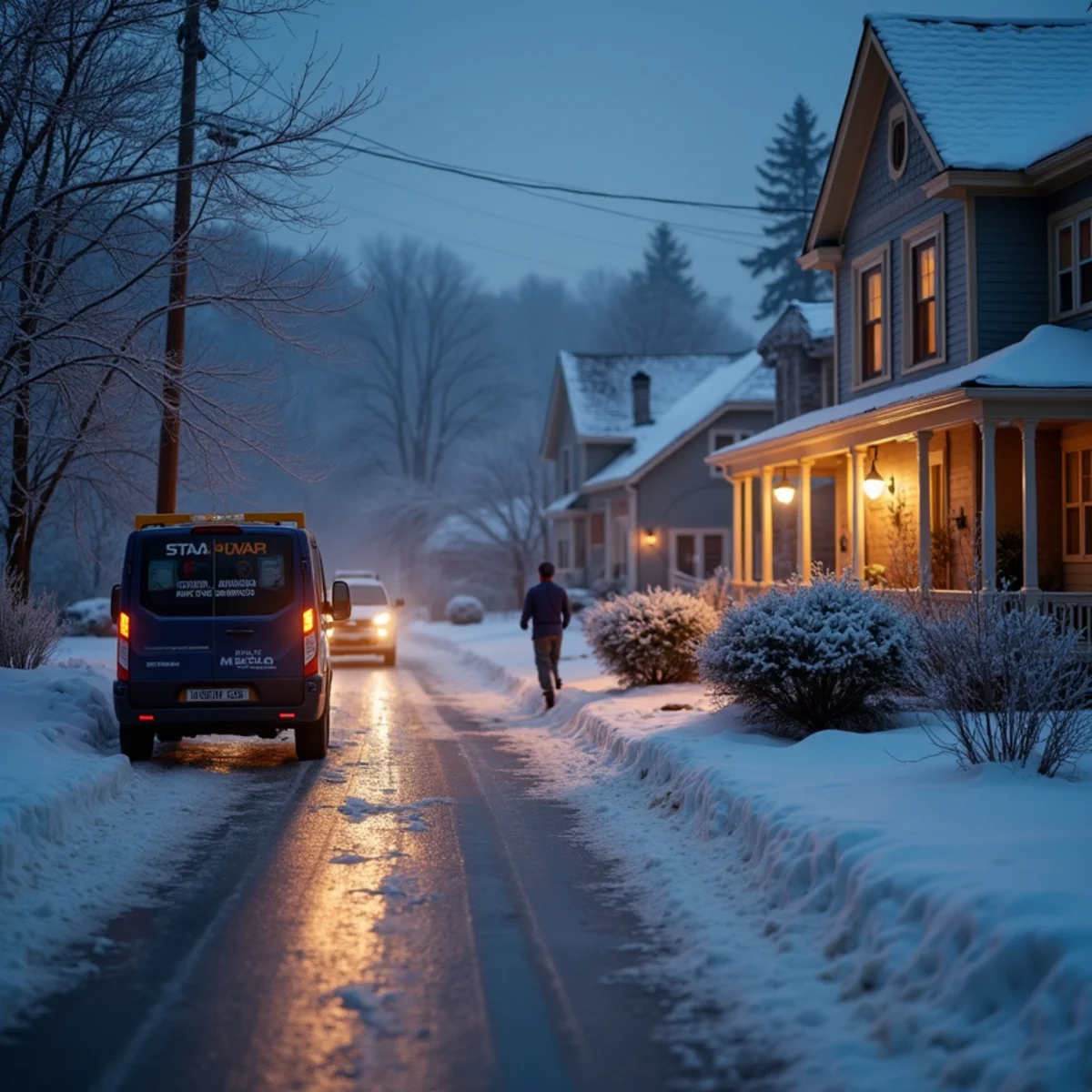
Ice storms are the winter threat Lancaster County underestimates. A quarter-inch of freezing rain glazes the power lines along the PA-283 and PA-230 corridors, tree limbs come down, and the grid goes dark — sometimes for hours, sometimes for days. And here is the part that catches people off guard: even a gas furnace stops working when the power is out, because its blower, controls, and ignition all run on electricity.
When the grid drops in the middle of a hard freeze, your home starts losing heat immediately. Knowing how to hold that heat, warm the house safely without endangering anyone, and what to check when power returns can keep a rough night from becoming a dangerous or expensive one.
Trap the heat you already have
A house that starts warm can stay livable for many hours if you slow the heat loss. This is your first move the moment the lights go out.
- Close off unused rooms and pick one central room to keep warm — ideally a smaller, interior space away from big windows.
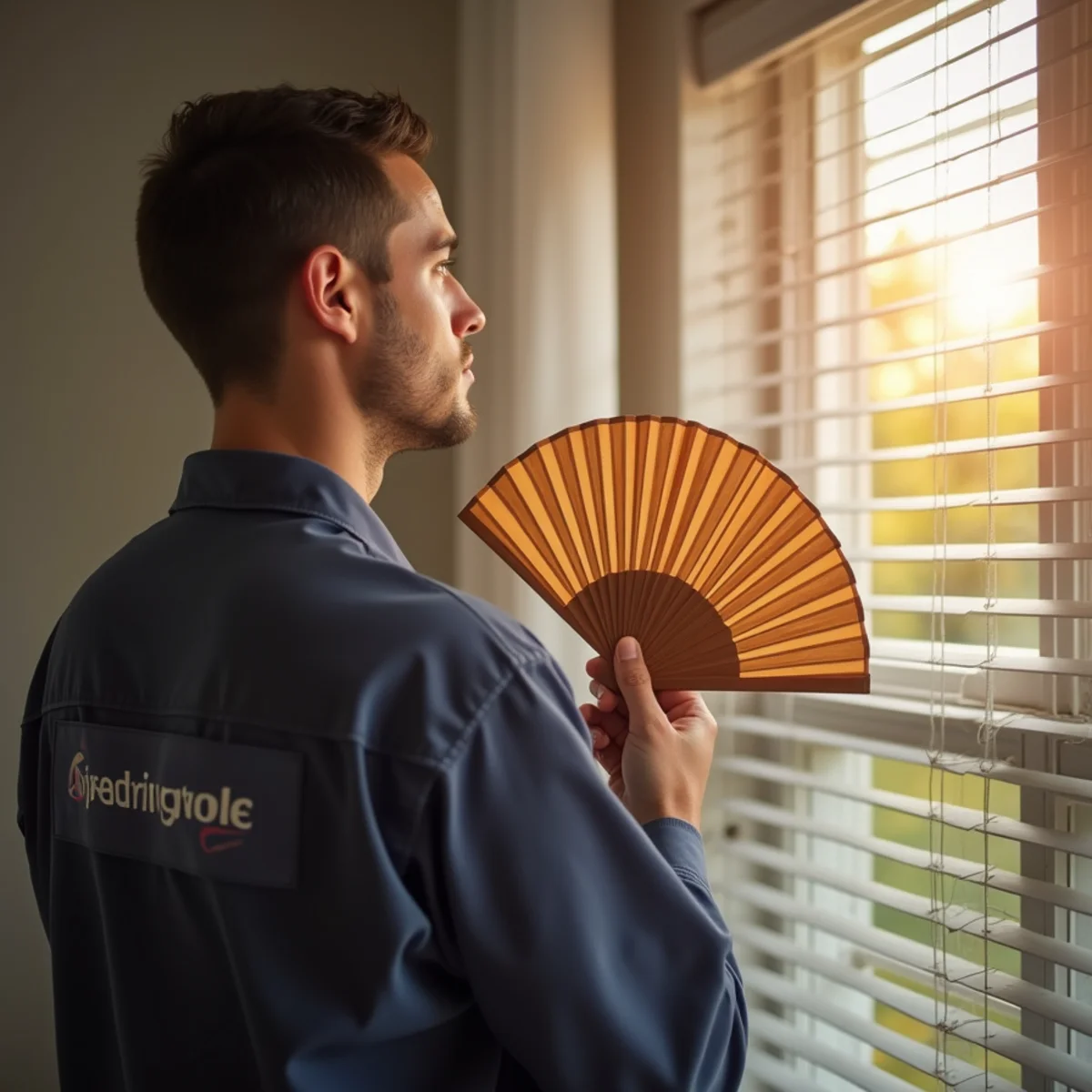
- Shut every curtain and blind at night to cut radiant heat loss through glass, and open south-facing shades during the day to let sun in.
- Roll towels against the bottom of exterior doors, and stay off doors to the outside — every opening dumps warm air.
- Layer clothing, use blankets and sleeping bags, and share body heat. Insulated layers beat a single heavy blanket.
- Older homes in the historic districts leak more than newer Florin Hill builds, so seal the drafts you can feel with rolled blankets or weatherstripping.
Never bring outdoor heat sources indoors
Do not run a generator, charcoal or gas grill, camp stove, or any unvented fuel heater inside the house, the garage, or near an open window. These produce carbon monoxide that kills quickly in an enclosed space. Portable generators belong outdoors, well away from doors and windows. CO poisoning spikes during exactly these outages — do not become a statistic.
Safe ways to add heat during the outage
If trapping heat is not enough, add it carefully. The safest options are the ones designed to vent combustion or that produce no combustion at all.
- A properly installed, vented wood stove or fireplace is the gold standard during an outage — heat that does not depend on the grid. Keep the flue clear and never burn treated wood or trash.
- A permanently installed standby generator on a transfer switch can run your furnace safely, because it is wired to keep combustion gases vented and the load managed. This is the setup worth planning before storm season.
- A portable generator can power a furnace only through a proper transfer switch or interlock installed by a qualified electrician — never by back-feeding an outlet, which endangers utility crews and your home.
- Battery-powered and UL-listed electric heaters are safe indoors when used correctly: on the floor, three feet from anything flammable, plugged directly into the wall, and never left running unattended or while everyone sleeps.
Protect your pipes while the heat is off
As the house cools, open a faucet to a slow trickle and open cabinet doors under sinks on exterior walls. Moving water resists freezing and an open faucet relieves the pressure that bursts pipes. If the outage runs long and temperatures crater toward the single digits Mount Joy sees each winter, know where your main shutoff is in case a line lets go.
When the power comes back: what to check
Restoration is not always smooth. A furnace that sat cold through a long outage, or one that saw a power surge as the grid snapped back, can misbehave. Work through this before you assume it is fine.
| Symptom after power returns | Likely cause / action |
|---|---|
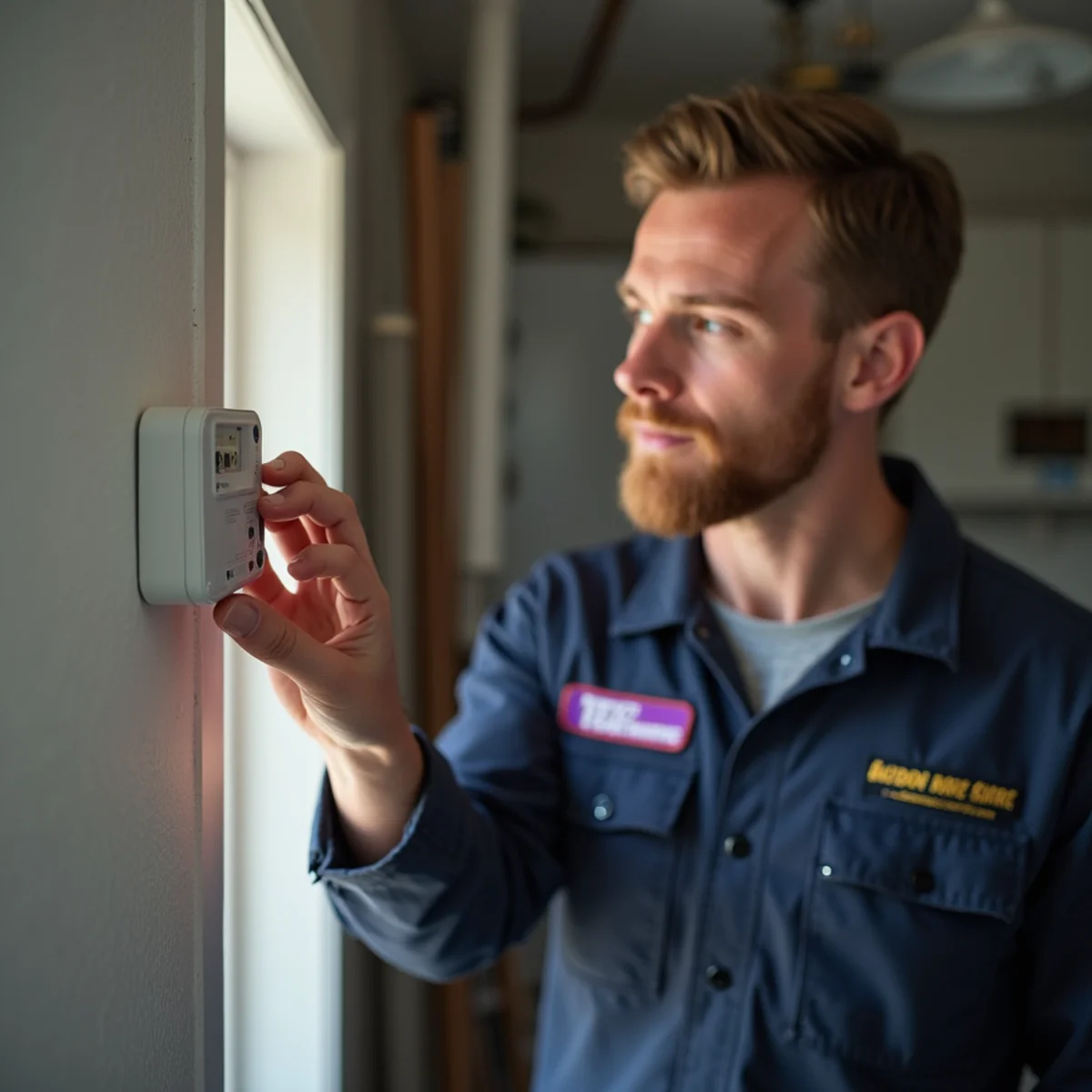
| Furnace will not start at all | Check breaker, furnace switch, thermostat battery |
| Blinking error code on control board | Note the pattern; a fault may have latched |
| Furnace runs but no warm air | Possible frozen condensate line or blower fault |
| Repeated short-cycling | Filter, pressure switch, or ignition issue |
| Burning or chemical smell on restart | Shut it down; do not reset repeatedly |
If your furnace will not restart, throws a persistent error, or acts up after the grid returns, it is worth a professional look rather than repeated resets that can hide a real fault. Our emergency HVAC repair team runs 24/7 with same-day response, and for a furnace that took an outage hard, our standard furnace repair service can diagnose ignition, blower, and control-board issues quickly. We cover Mount Joy and all of Lancaster County, so storm-season backlogs do not leave you cold.
Get ahead of the next storm
The households that ride out ice storms best are the ones that prepared in fall: a serviced furnace less likely to fail under stress, a plan for backup heat, a stocked kit with flashlights and blankets, and — for many local homes — a properly installed standby generator with a transfer switch. If you have thought about generator-ready heating or a backup plan for your home, that conversation is far better had in October than during a December blackout. A fall heating tune-up is the cheapest part of that preparation, and it is also the step most likely to keep your furnace running the night the grid gets stressed.
Keep a short storm routine written down where the family can find it: where the main water shutoff is, where the flashlights and spare batteries live, which room becomes the warm room, and the phone number for emergency heat. When the power drops at 9 p.m. and the temperature is already falling, a plan you decided on calmly in daylight beats improvising in the dark every time.
If an ice storm has knocked out your heat, or your furnace will not behave once power returns, call HVAC Mount Joy PA at +1 (327) 210-5999 for 24/7 emergency HVAC and furnace repair across Lancaster County.
Grid down and no heat? Call +1 (327) 210-5999.
Same-day emergency HVAC and furnace response across Mount Joy and Lancaster County, around the clock. Licensed, insured local technicians and a written quote before any work begins.
Size the generator to the furnace
Most furnaces draw far less than people assume — often a modest generator covers the blower and controls. We can tell you the exact starting and running watts your system needs so you buy the right unit, not an oversized one.
Related HVAC help in Mount Joy
Services: 24/7 Emergency HVAC Repair · Furnace Repair · Frozen Pipe & Heat Outage Response
Service areas: HVAC in Lancaster County · HVAC in Mount Joy Township
Frequently asked questions
A gas furnace still relies on electricity for its blower motor, control board, and ignition system. When the grid drops, those components lose power and the furnace cannot run, even though the gas supply is unaffected. Backup power through a properly installed generator and transfer switch is the only safe way to keep it running.
Only if a qualified electrician has installed a proper transfer switch or interlock. Never back-feed a generator into a wall outlet — it can electrocute utility crews and damage your home. Run the generator outdoors, far from doors and windows, to keep carbon monoxide out of the house.
Trap existing heat by closing off rooms and sealing drafts, layer clothing and blankets, and use only safe heat sources: a vented wood stove or fireplace, a generator-powered furnace, or UL-listed electric heaters used correctly. Never use grills, camp stoves, or unvented fuel heaters indoors.
Check the breaker, the furnace switch, and the thermostat battery first. Look for a blinking error code and note the pattern. If it will not start, short-cycles, or gives off a burning smell, stop resetting it and call for emergency furnace repair — a long cold outage or a power surge can cause faults that need a technician.
HVAC Mount Joy PA
Licensed, insured HVAC contractor serving Mount Joy and Lancaster County with same-day and 24/7 emergency service. Have a question about your system? We’re glad to help.