When a rooftop unit quits during a July heat wave, you lose sales, spoil inventory, and field customer complaints. A maintenance plan turns those surprises into scheduled, budgeted work.
Key takeaways
- For a business, HVAC is uptime and customer comfort — a peak-season failure empties the room.
- A preventive-maintenance contract catches problems before they become emergency shutdowns.
- Scheduling work around business hours keeps comfort issues from costing you customers.
- Tracking equipment age turns replacement into a budgeted decision, not a surprise.
- Protect uptime with our commercial HVAC services and maintenance contracts.
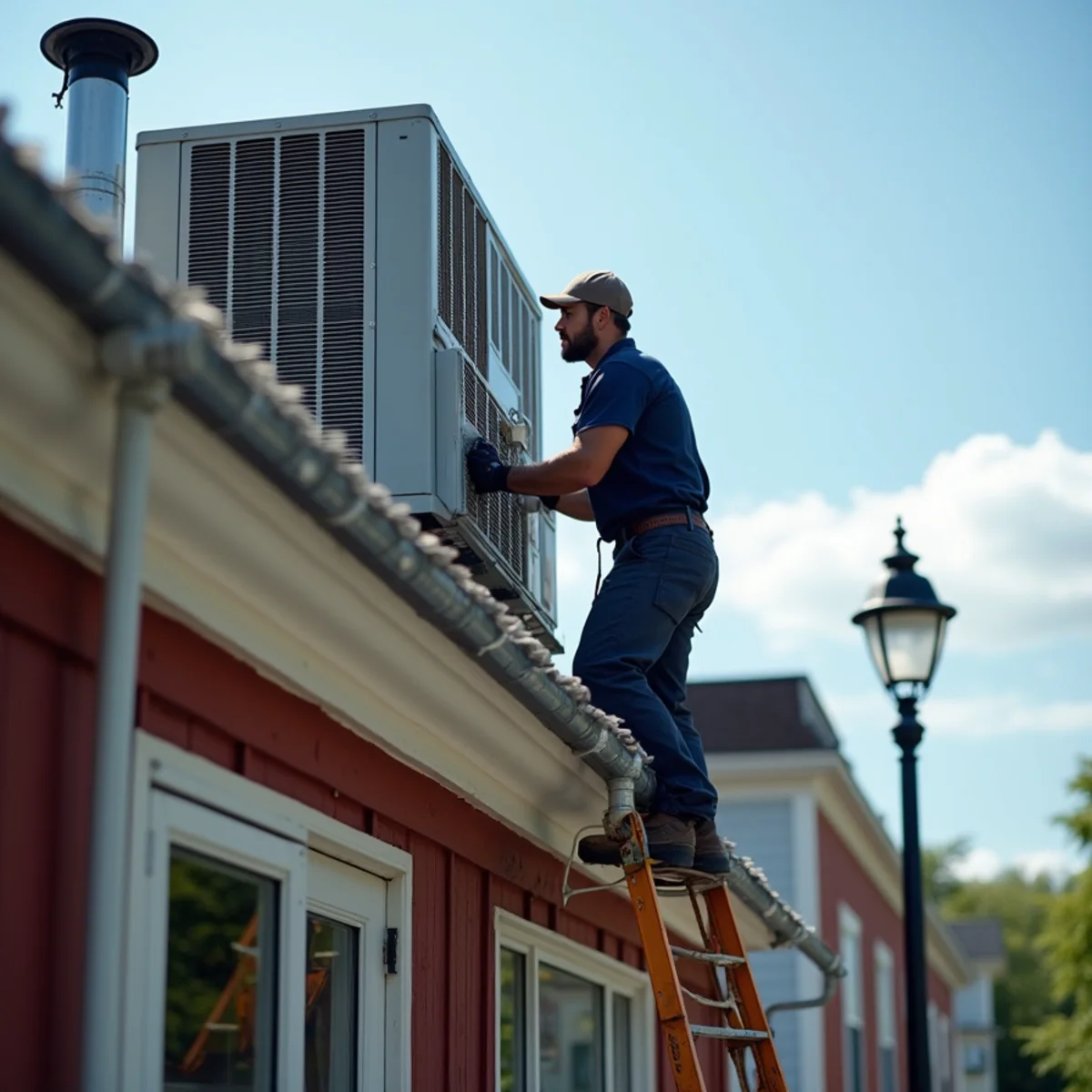
For a small business in Mount Joy, the HVAC system is invisible until it fails, and then it is the only thing anyone talks about. A rooftop unit that dies on a 92-degree July afternoon empties your dining room, spoils refrigerated stock, and sends staff home. A no-heat morning in January means a locked door and a sign in the window. Every one of those outages is lost revenue you never get back.
Preventive maintenance is the cheapest insurance a business owner buys. It converts unpredictable emergency repairs into scheduled, budgeted service, and it stretches the life of equipment you would rather not replace for another decade. Here is how to think about it as an owner, not a technician.
Why reactive service costs more than it looks
The invoice for an after-hours emergency call is only part of the bill. Add the closed hours, the walkout customers, the food you throw away, and the overtime rate for weekend service, and a single failure can cost several times what a year of maintenance would have. Worse, most catastrophic failures start as small, cheap-to-fix problems, a dirty coil, a weak capacitor, a low charge, that a routine visit would have caught months earlier.
The 5-percent rule
Industry data consistently shows a neglected commercial unit loses roughly 5 percent of its efficiency every year it runs dirty. A tune-up restores most of that. On a light-industrial rooftop unit running all summer, that recovered efficiency alone can offset the cost of the visit.
What a real maintenance visit covers
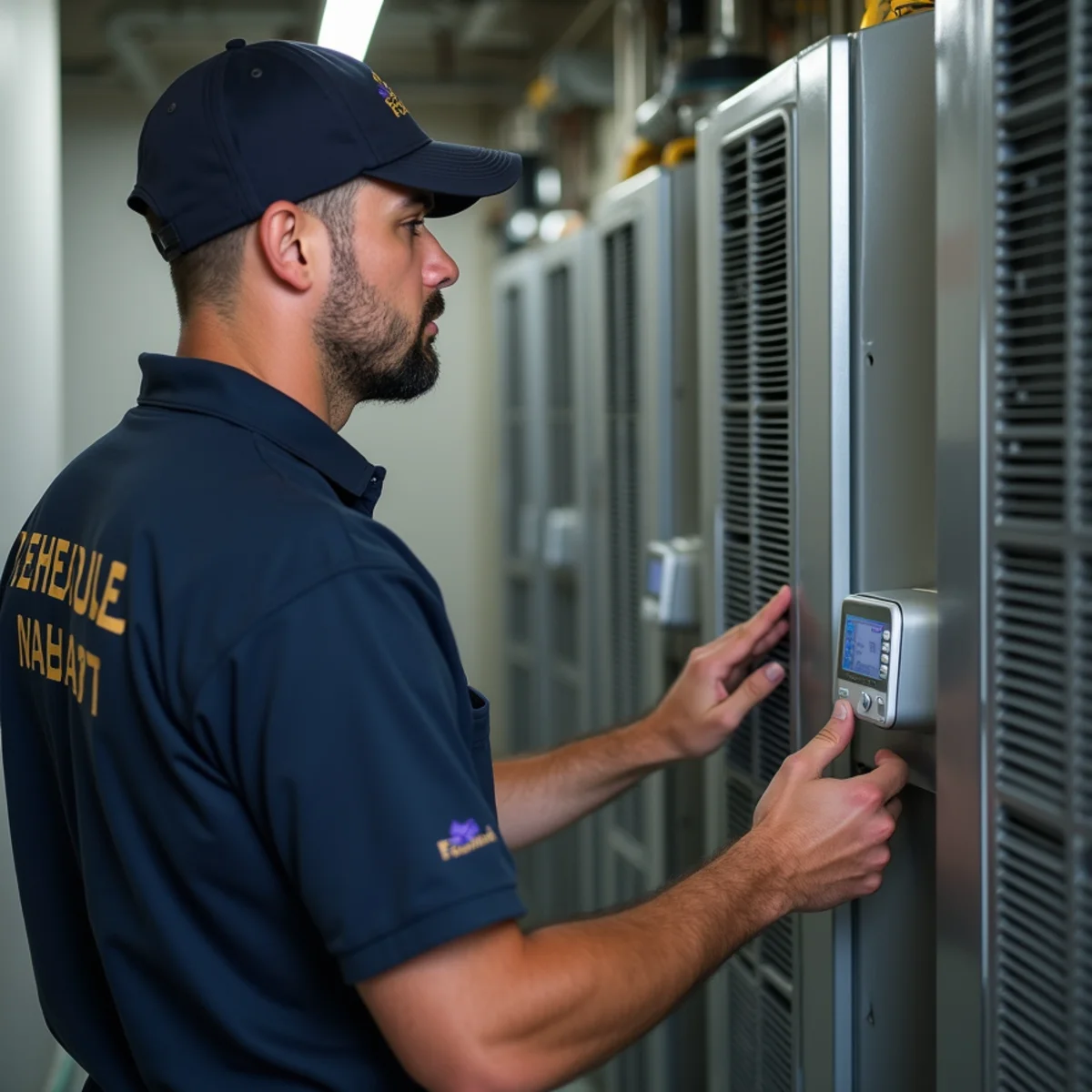
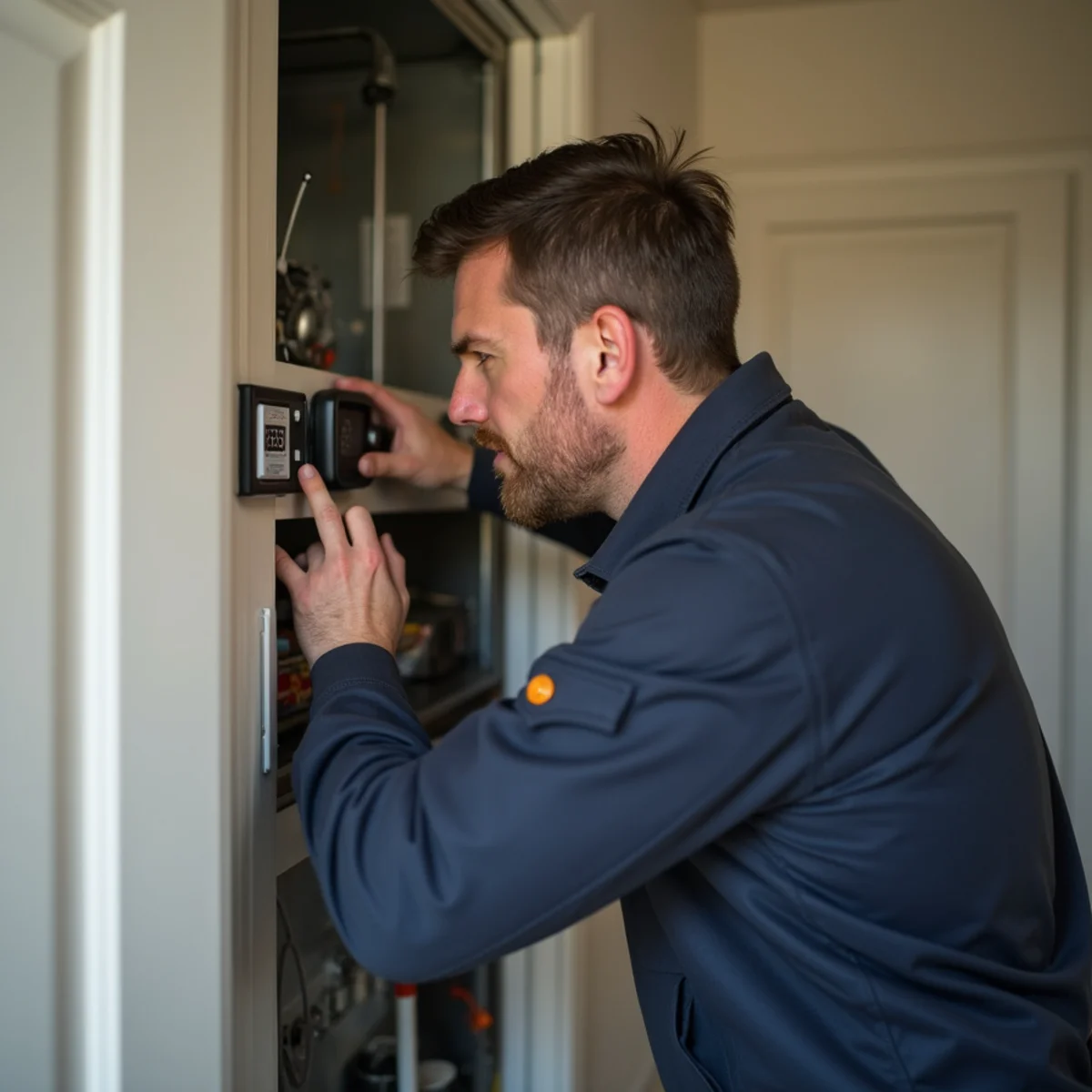
A commercial tune-up is not a filter swap. On a packaged rooftop unit or split system, a proper visit works through the mechanical, electrical, and airflow systems in sequence. Ask any provider for a written checklist, and be wary of anyone who cannot produce one.
- Inspect and clean condenser and evaporator coils, the single biggest efficiency drain when fouled
- Check refrigerant charge and test for leaks per EPA Section 608 requirements
- Test capacitors, contactors, and electrical connections that fail from summer cycling
- Verify economizer operation and dampers so you pull in free cooling on mild days
- Replace filters at the correct MERV rating and confirm airflow across the coil
- Clear condensate drains and pans before a clog floods a ceiling or shuts the unit down
- Inspect belts, bearings, and motors on larger units for wear before they seize
A seasonal rhythm for Lancaster County weather
Our climate swings hard, humid summers with peak load in July, and cold winters with hard freezes and freeze-thaw cycles. That means the right maintenance schedule is built around two demand peaks, not one. Book cooling service before the heat arrives and heating service before the first freeze, so equipment is checked when it is idle, not when it is straining.
| Season | Primary focus | Why the timing matters |
|---|---|---|
| March to April | Cooling startup, coil cleaning, charge check | Beat the spring rush and be ready for the first heat wave |
| June to July | Mid-season filter and condensate check | Peak humidity clogs drains and loads coils fastest |
| September to October | Heating startup, combustion and CO test | Catch cracked heat exchangers before the first freeze |
| December to January | Cold-snap check, defrost and safety controls | Verify no-heat protection before the January cold snap |
The case for a service agreement
A scheduled service agreement, sometimes called a preventive maintenance contract, does more than book two visits a year. It puts your building on a priority list when demand spikes, so you are not waiting behind fifty other emergency calls during a heat wave. It documents equipment condition, which matters for capital planning and for any lease where HVAC responsibility is shared. And it gives you a single provider who knows your building, your rooftop units, and your history.
Our commercial HVAC services cover businesses across Lancaster County, from Main Street storefronts to strip-center rooftop units in the Hempfield suburbs. If you are weighing whether an aging unit is worth maintaining at all, our guide to rooftop unit repair versus replacement walks through the numbers.
What owners should track between visits
You do not need to be a technician to spot trouble early. Train whoever opens the building to note three things: unusual noises at startup, rooms that will not hold temperature, and any spike in the utility bill that weather alone does not explain. Each is an early warning that a scheduled call can address before it becomes an emergency.
- Keep a simple log of any comfort complaints and the date they started
- Photograph the filter every change so you can prove the schedule was kept
- Note the run-hours or thermostat settings so nobody overrides them unnoticed
- Call for service at the first odd smell, especially a burning or musty odor
Protect your uptime before the next heat wave or cold snap tests it. Call HVAC Mount Joy PA at +1 (327) 210-5999 to set up a commercial maintenance agreement sized to your building and your budget.
Ready when you are
We build maintenance plans for restaurants, retail, and light-industrial buildings across Mount Joy and greater Lancaster County, with 24/7 emergency response for contract customers. Ask us for a written scope and a walk-through of your equipment.
Filters are cheap insurance
The most common commercial breakdown we see starts with neglected filters choking a rooftop unit. A simple, scheduled filter and coil program is the cheapest way to protect an expensive RTU and your July uptime.
Related HVAC help in Mount Joy
Services: Commercial HVAC Services · HVAC Maintenance & Tune-Ups
Service areas: HVAC in Lancaster County · HVAC in Mount Joy Township
Frequently asked questions
At minimum twice a year, once before cooling season and once before heating season. High-use equipment like restaurant make-up air or a heavily loaded rooftop unit often warrants quarterly filter and condensate checks in addition to the two main tune-ups.
Usually yes. Even one rooftop or split unit benefits from priority scheduling, documented condition, and the efficiency recovered by regular coil cleaning. The math tips further in your favor the moment a single emergency closure is avoided.
Yes. Most commercial units fail early from preventable causes, dirty coils, low refrigerant, worn electrical parts, that routine service catches. Well-maintained rooftop units routinely reach 15 to 20 years, while neglected ones often fail in half that.
One missed visit rarely destroys a unit, but skipped maintenance compounds. Efficiency drops, small faults grow, and warranty coverage on newer equipment can lapse if the manufacturer required documented service. Getting back on schedule quickly limits the damage.
HVAC Mount Joy PA
Licensed, insured HVAC contractor serving Mount Joy and Lancaster County with same-day and 24/7 emergency service. Have a question about your system? We’re glad to help.