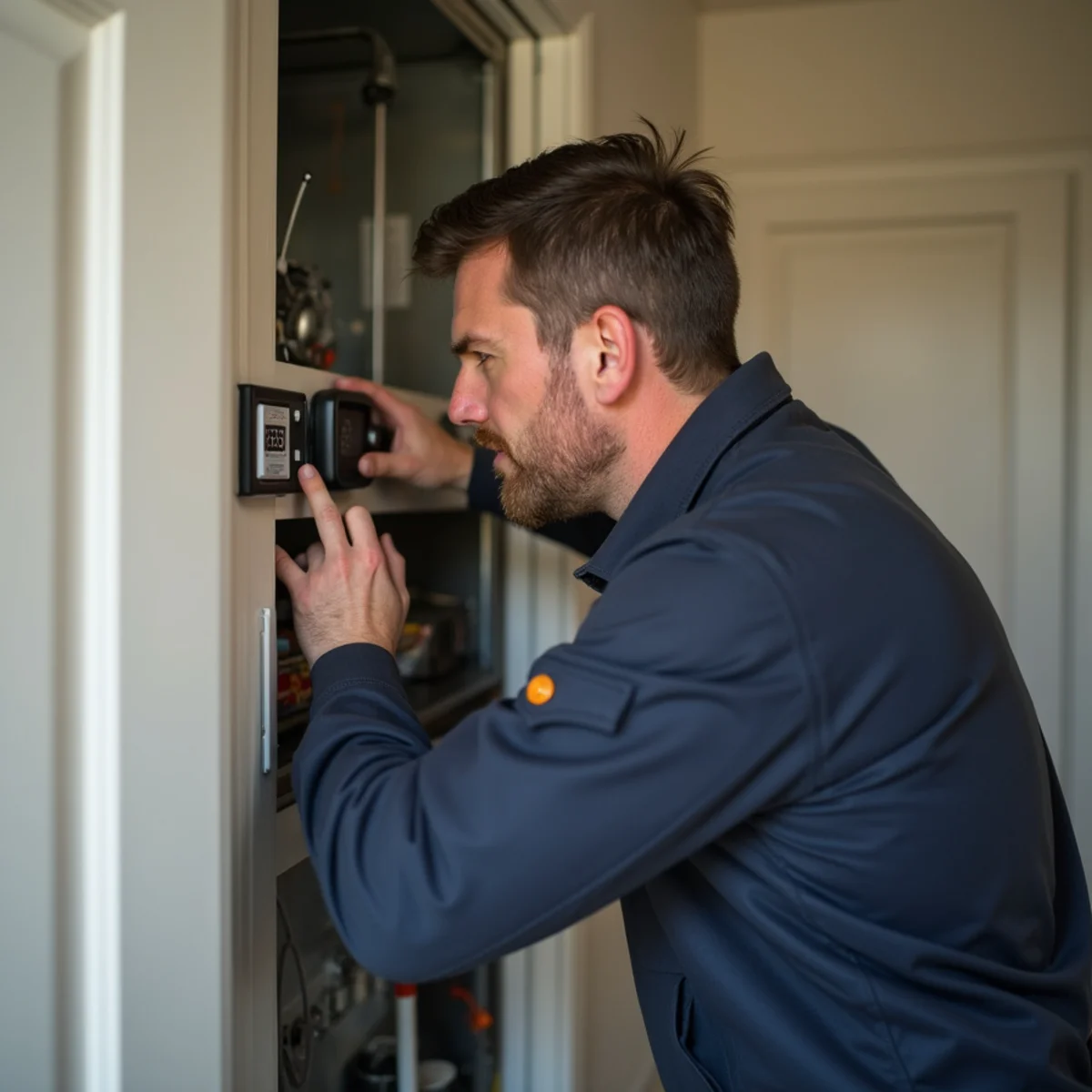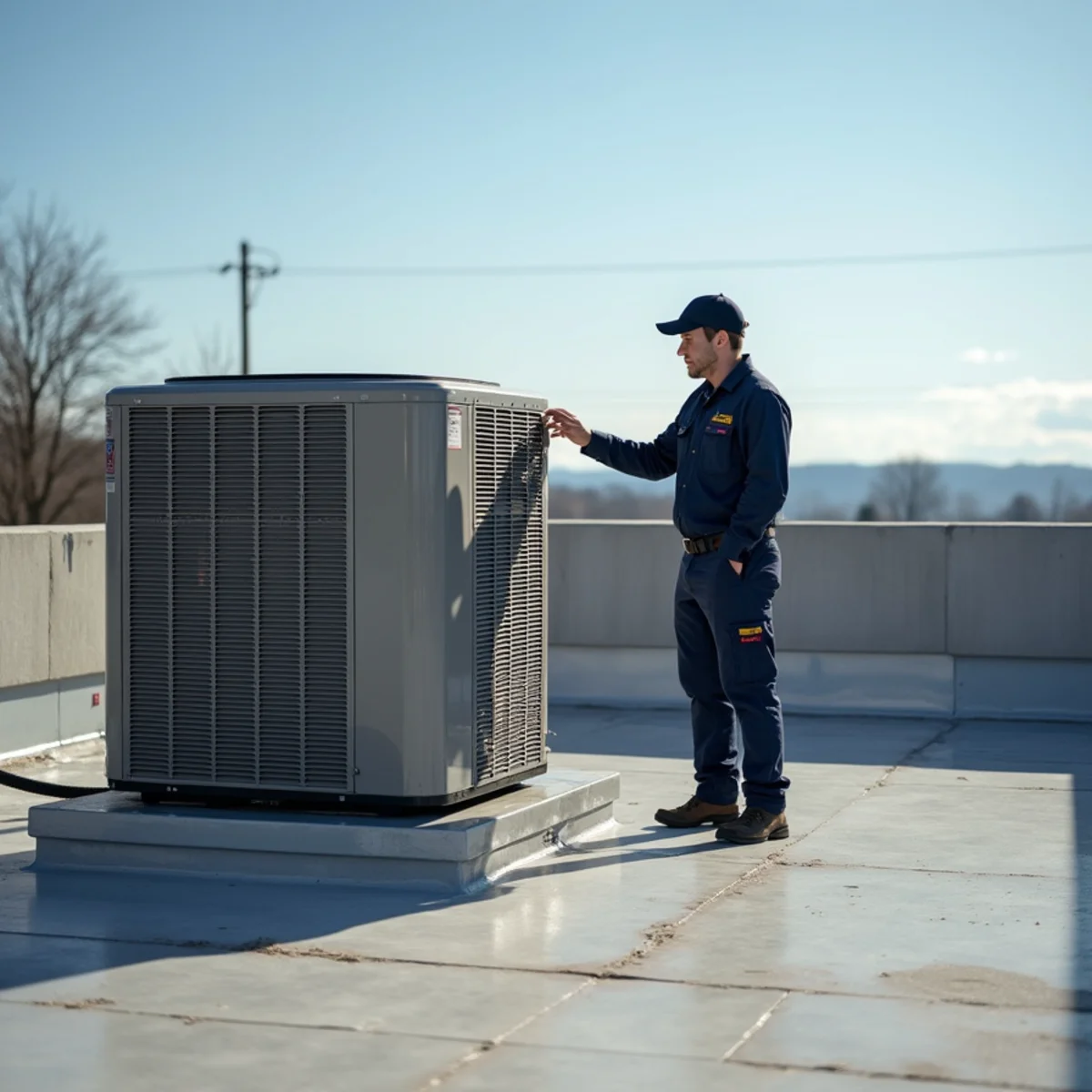
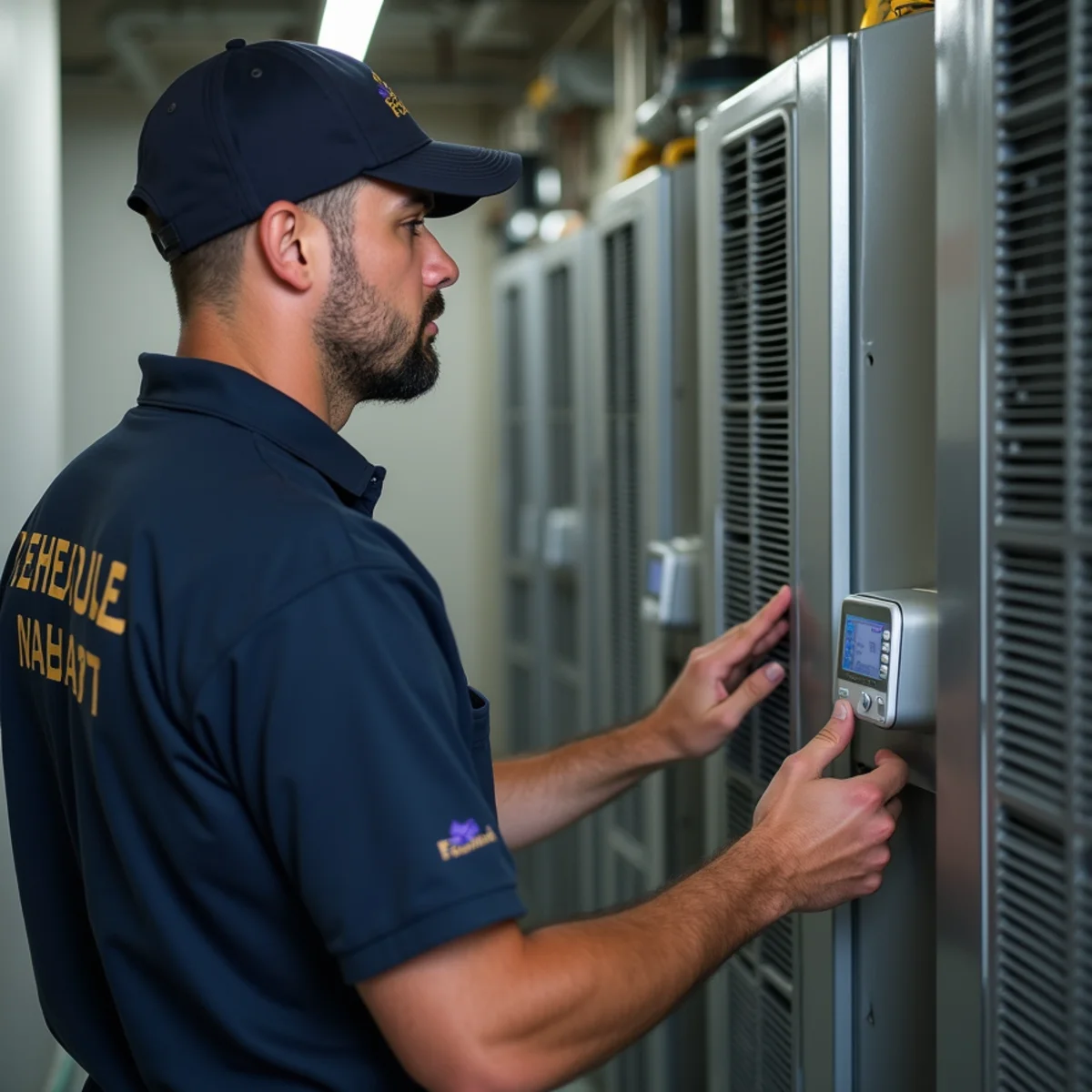
One apartment building can hide a dozen different HVAC headaches, uneven comfort, mystery bills, and 2 a.m. no-heat calls. The right strategy controls all three at once.
Key takeaways
- Multi-unit buildings juggle many systems, tenant comfort, and predictable operating costs at once.
- A building-wide preventive-maintenance program prevents scattered emergency calls.
- Clear tenant-versus-owner responsibility for filters and thermostats reduces neglect and disputes.
- Standardizing equipment and filters across units simplifies service and stocking.
- We build maintenance programs for apartment buildings through our commercial HVAC service.
Owning or managing an apartment building means running many small comfort problems at once. One tenant is too cold, another too hot, a third disputes their heating bill, and a fourth calls at 2 a.m. with no heat during a January freeze. Each is a satisfaction risk, a turnover risk, and a cost you carry. The system design and maintenance strategy you choose for the building decide whether those problems are constant or rare.
This guide covers the strategic choices that matter for multi-tenant buildings in Mount Joy, from how the systems are configured to how you bill for energy and keep the whole building running.
Centralized versus individual systems
The biggest strategic decision is whether each unit has its own equipment or the building shares a central plant. Both exist across Mount Joy multi-family stock, and each shapes your costs, your billing, and your maintenance for years.
| Approach | Strength | Trade-off |
|---|---|---|
| Individual units per apartment | Tenants control and pay for their own comfort | More units to maintain across the building |
| Central boiler or plant | Fewer systems to service | Owner often carries the fuel cost, billing is harder |
| Ductless mini-splits per unit | Efficient zoning, easy retrofit in older buildings | Higher up-front install per apartment |
| Packaged units per apartment | Simple, self-contained, easy to isolate faults | Roof or wall space and noise to manage |
For older converted buildings near Florin and the historic neighborhoods, ductless mini-splits are often the smartest retrofit, they add efficient per-unit cooling and heating without tearing new ductwork through century-old walls. Our ductless mini-split services handle exactly these multi-unit conversions.
Submetering aligns cost with use
If the building carries a shared heating cost, you are effectively paying for tenants who leave windows open in January. Submetering, or moving to individual systems where each tenant pays their own utility, aligns the person who controls the thermostat with the person who pays the bill. That single change often cuts total building energy use, because people conserve when they see the cost.
Individual control drives satisfaction
Tenant comfort complaints drop sharply when each unit has its own thermostat and system. People tolerate a temperature they chose far better than one imposed by a shared plant, and per-unit systems let you resolve one apartment issue without touching the rest of the building.
Your legal floor: working heat in every unit
Whatever system you run, Pennsylvania requires you to provide working heat in every occupied unit. In a multi-tenant building that raises the stakes: a central boiler failure can leave the whole building without heat at once, a far larger liability than a single failed furnace. Redundancy and fast response planning are not optional for buildings on central systems.
Carbon monoxide rules scale with your unit count
Pennsylvania requires working CO detectors in units with fuel-burning appliances. In a multi-unit building with combustion heating, that is a per-unit obligation you must verify and document at every turnover. Review our carbon monoxide safety guidance and build detector checks into your inspection routine.
Maintenance strategy across many units
The efficiency of managing a multi-unit building comes from standardization. When every apartment uses the same equipment and the same filter size, service is faster, parts stock is simpler, and one maintenance agreement covers the whole property. Over time, as units are replaced, moving toward a single standard model pays back every year in easier upkeep.
- Put the entire building on one preventive maintenance agreement for priority response
- Standardize equipment and filter sizes as units are replaced
- Tie HVAC inspections to tenant turnover so vacant units get serviced
- Keep a per-unit service log so recurring problems surface quickly
- Plan replacements as phased capital projects, not emergency scrambles
Plan replacements before they cascade
In a building full of units installed around the same time, equipment tends to fail in clusters, several furnaces or condensers reaching the end of life within a few seasons of each other. Capital planning turns that cascade into a schedule. By tracking the age and condition of each unit, you replace the worst performers first, spread the cost across budget years, and avoid a run of emergency failures. Our commercial HVAC team supports building owners across Lancaster County with phased replacement plans and portfolio-wide maintenance.
For the day-to-day framework behind all of this, our guide to commercial HVAC maintenance shows how a documented service program keeps a whole building predictable.
Get every unit comfortable and every system on a plan. Call HVAC Mount Joy PA at +1 (327) 210-5999 for a multi-unit HVAC assessment and a building-wide maintenance agreement.
Built for multi-family
We help apartment building owners and managers across Mount Joy and Lancaster County with system planning, ductless retrofits, per-unit maintenance, and 24/7 emergency response, so one building means one call, not a dozen problems.
Standardize where you can
When you replace units over time, standardizing on a few models and filter sizes pays off for years — faster service, easier parts, and one filter order for the whole building instead of a dozen odd sizes.
Related HVAC help in Mount Joy
Services: Commercial HVAC Services · Ductless Mini-Split Installation
Service areas: HVAC in Lancaster County · HVAC in Mount Joy Township
Frequently asked questions
For most Mount Joy multi-family buildings, individual per-unit systems are the better long-term strategy. They give tenants their own control, let each pay for their own energy through submetering, and isolate faults so one failure never affects the whole building. Ductless mini-splits make this practical even in older buildings.
Submetering means each unit energy use is measured and billed to that tenant rather than absorbed into a shared owner bill. It aligns cost with the person controlling the thermostat, which typically reduces total building energy use and removes the owner from paying for wasteful habits.
Treat it as a top-priority emergency, since it can leave the entire building without heat and expose you to habitability claims. Buildings on central systems should have a maintenance agreement with priority response and, ideally, a replacement or backup plan mapped out before the failure happens.
In most cases yes. Ductless mini-splits need only small penetrations for refrigerant lines, so they retrofit into older Mount Joy buildings without new ductwork or torn-up walls. They are a common choice for converting multi-unit buildings to efficient per-apartment comfort.
HVAC Mount Joy PA
Licensed, insured HVAC contractor serving Mount Joy and Lancaster County with same-day and 24/7 emergency service. Have a question about your system? We’re glad to help.