An ice storm in the Susquehanna Valley can drop the grid and the temperature at the same time. Here is how to keep the heat on and the pipes from bursting when the power goes.
Key takeaways
- Susquehanna Valley ice storms are exactly when heat outages strike, and gas or oil heat still needs power to run.
- A properly sized standby generator, or an interlock-wired portable, keeps the furnace running through the outage.
- Never run a generator indoors or in an attached garage — carbon monoxide builds within minutes.
- Most furnaces draw less power than homeowners expect, so the right generator need not be huge.
- We plan generator-ready heat and answer 24/7 emergency HVAC calls during storms.
The ice storm is the Susquehanna Valley's signature winter hazard, and it is a mean one. Warm air rides over a shallow layer of freezing air near the ground, and rain freezes on contact with everything it touches. A quarter-inch of ice on the power lines and tree limbs, and the grid comes down. Now it is 20 degrees outside, your furnace has no electricity to run, and the clock is ticking on your pipes.
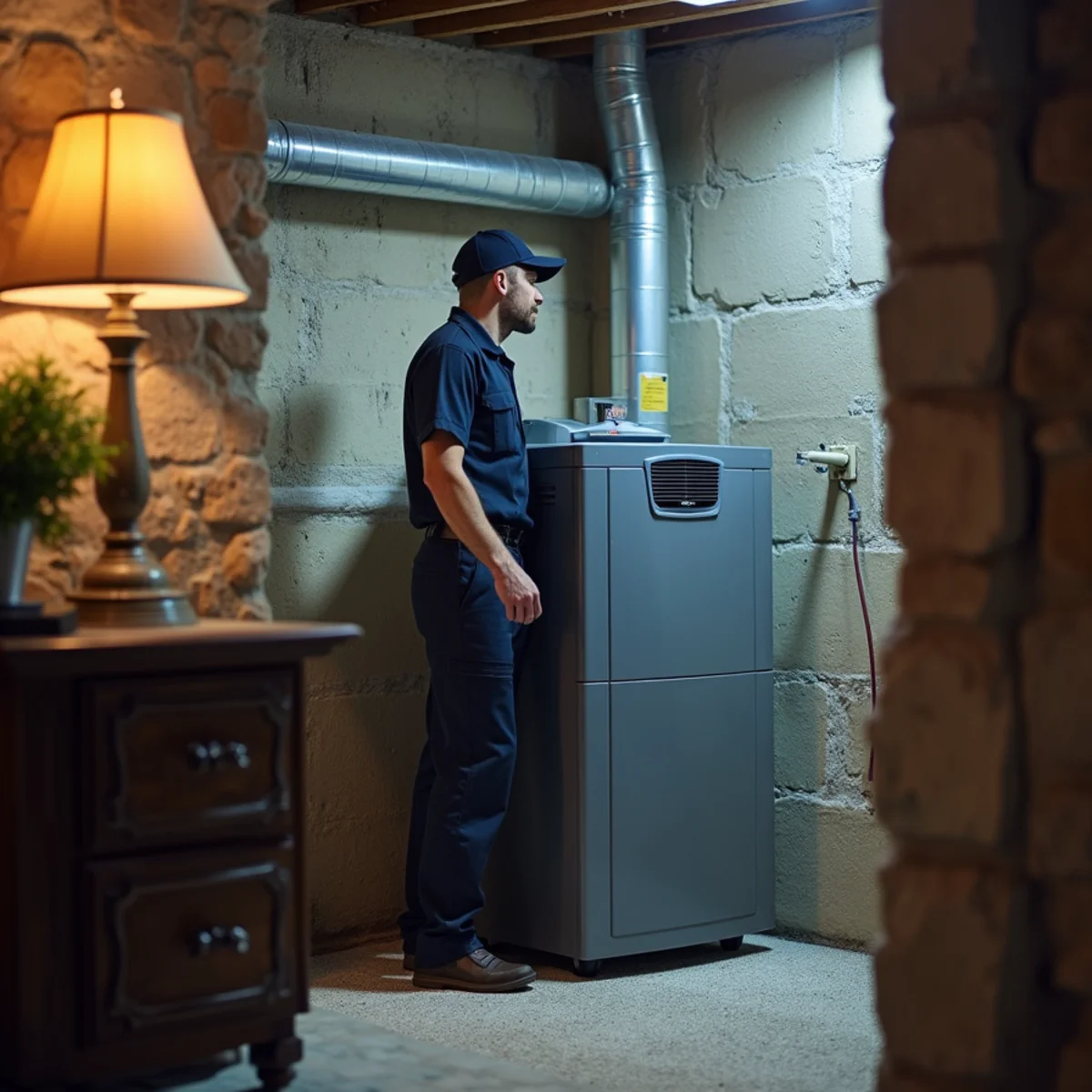
Here is the part people forget: even a gas or oil furnace needs electricity. The blower, the igniter, the controls, the whole thing runs on line power. When the ice takes down the grid, a fully fueled furnace sits dark and silent just like an electric one. Planning for that is what separates a cold, worrying night from a mere inconvenience.
Why outages and cold arrive together
Ice storms are uniquely bad for both problems at once. The same weight of ice that snaps power lines also makes the roads too dangerous for fast utility repair, so outages here can stretch from hours into days. And unlike a summer storm, the temperature keeps falling the whole time. A house without heat loses warmth steadily, and once interior temperatures drop toward freezing, the pipes in exterior walls, crawlspaces, and unheated corners are at real risk. A well-built home holds usable warmth for a while, but a drafty older house on an exposed lane can shed heat fast, and there is no guarantee the grid comes back before the cold reaches the plumbing.
Never heat with anything that burns indoors unvented
Do not run a gas oven, charcoal or propane grill, or portable gas heater without proper venting to warm the house, and never run a generator in a garage or near windows. These put out carbon monoxide that kills. Keep a working CO alarm on every level and review our carbon monoxide safety guidance before winter.
Standby generators: heat that keeps running
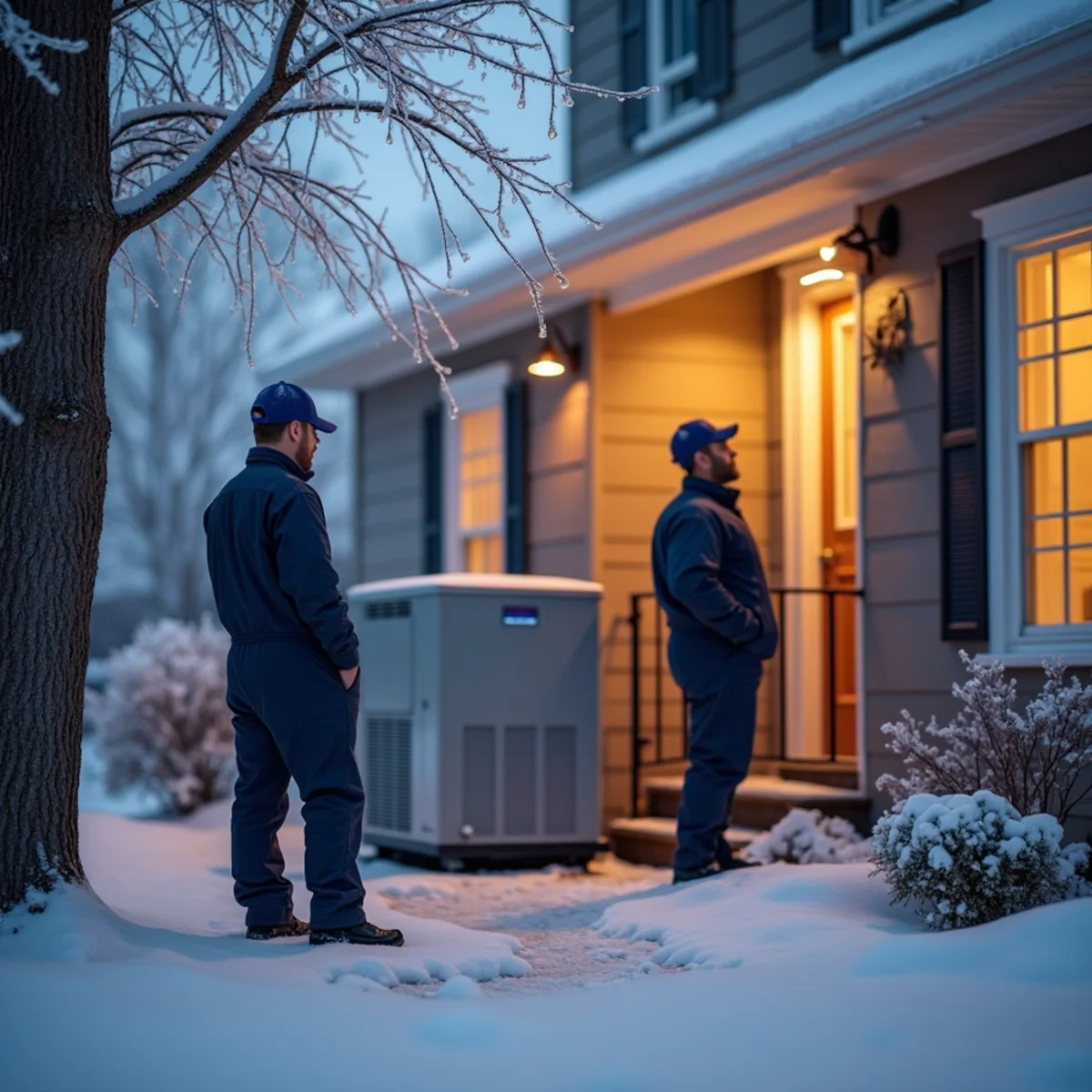
The most reliable answer is a permanently installed standby generator. Unlike a portable unit you have to drag out and refuel in the storm, a standby generator sits outside like an AC condenser, senses the outage, and starts automatically within seconds, powering the circuits you choose. Sized right, it keeps the furnace, well pump, sump pump, refrigerator, and some lights running through a multi-day outage.
In Mount Joy, standby generators typically run on natural gas where the main reaches, or on propane out on the township lanes where a tank is already on the property for heat. Tying the generator to an existing propane tank is efficient and means one fuel to manage. The key is that the furnace, and the pumps that keep your basement dry, stay energized no matter how long the utility takes.
| Option | How it works | Best for |
|---|---|---|
| Standby generator | Auto-starts, powers chosen circuits | Anyone wanting hands-off, multi-day coverage |
| Portable generator + inlet | Manual start, plug into a transfer inlet | Budget backup, requires being home |
| Battery backup | Silent, limited runtime | Short outages, low-draw needs |
| No backup | Rely on utility restoration | Highest risk of frozen pipes |
Make your furnace generator-ready now
If you install a generator or a transfer switch, have your HVAC and electrical set up so the furnace is on a backed-up circuit. It is a small detail that is easy to miss, and it is the whole point. We coordinate this so the heat is actually on the protected circuits.
Protecting pipes when the heat is off
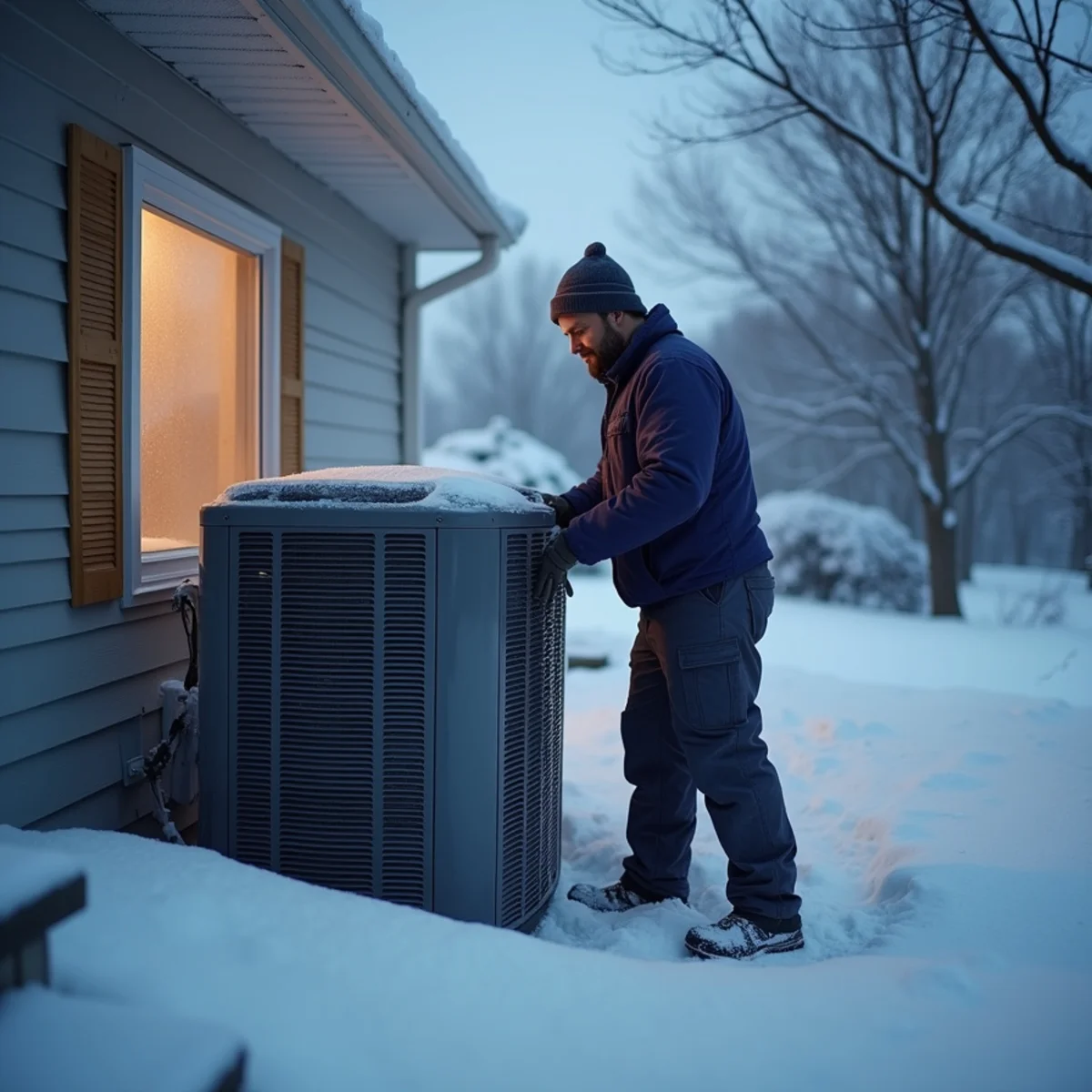
If you have no backup power and the heat is out, your job shifts to buying time and preventing burst pipes. A frozen pipe that bursts turns a cold night into thousands of dollars of water damage.
- Open cabinet doors under sinks so warmer room air reaches the pipes against exterior walls
- Let faucets on exterior walls drip; moving water is far harder to freeze
- Close off unused rooms and concentrate people and any safe heat in one area
- Know where your main water shutoff is so you can stop a burst fast if one happens
- If the house is dropping toward freezing and you cannot restore heat, consider shutting off and draining the water system
When a pipe does freeze or heat fails in a storm, do not wait it out and hope. Our frozen pipe and heat outage response and emergency HVAC repair lines are staffed 24/7 through exactly these events. Restoring heat quickly is the surest way to stop pipe damage before it starts.
Get ahead of the storm, not behind it
The worst time to think about backup heat is at 2 a.m. during the outage. The best time is now, in the calm before the season turns. A fall furnace tune-up makes sure the heat is reliable in the first place, and a conversation about generator readiness means the next ice storm is a story you tell later, not a crisis you live through. Rural lanes across Lancaster County are especially outage-prone, and those are the homes where a standby generator pays for itself in a single bad winter.
Whether you want to plan generator-ready heat or you are without power and warmth right now, call HVAC Mount Joy PA at +1 (327) 210-5999. We answer around the clock, all winter long.
Storm-ready heat, day or night
HVAC Mount Joy PA helps homes across Mount Joy and Lancaster County stay warm through ice storms with furnace service, generator-ready wiring coordination, and 24/7 emergency response. Licensed, insured, and on call every day of the year.
Test it before the storm
A generator you have never run under load is a gamble on the worst night of the year. Exercise it, confirm it carries the furnace, and keep the transfer setup labeled — so when the ice hits, restoring heat is a five-minute job.
Related HVAC help in Mount Joy
Services: 24/7 Emergency HVAC Repair · Furnace Repair · Frozen Pipe & Heat Outage Response
Service areas: HVAC in Lancaster County · HVAC in Mount Joy Township
Frequently asked questions
No. Even gas and oil furnaces need electricity to run the blower, igniter, and controls. When an ice storm takes down the grid, a fully fueled furnace still cannot run without power. That is why backup power, such as a standby generator, is essential for keeping heat on during outages.
It depends on your furnace, well and sump pumps, and what else you want powered. A standby generator is typically sized to carry the essential circuits, the furnace, pumps, refrigerator, and some lights, through a multi-day outage. We assess your specific loads and recommend a size and fuel source, gas or propane.
Open cabinets under sinks on exterior walls, let those faucets drip, close off unused rooms, and know where your main shutoff is. If the house is dropping toward freezing with no way to restore heat, consider draining the water system. Restoring heat quickly with backup power is the surest prevention.
Only with strict precautions. Never run any generator indoors, in a garage, or near windows, because it produces deadly carbon monoxide. It must be outside, well away from the house, with the exhaust directed away. A permanently installed standby generator is safer and starts automatically. Keep CO alarms on every level.
HVAC Mount Joy PA
Licensed, insured HVAC contractor serving Mount Joy and Lancaster County with same-day and 24/7 emergency service. Have a question about your system? We’re glad to help.