
Emergency Guides
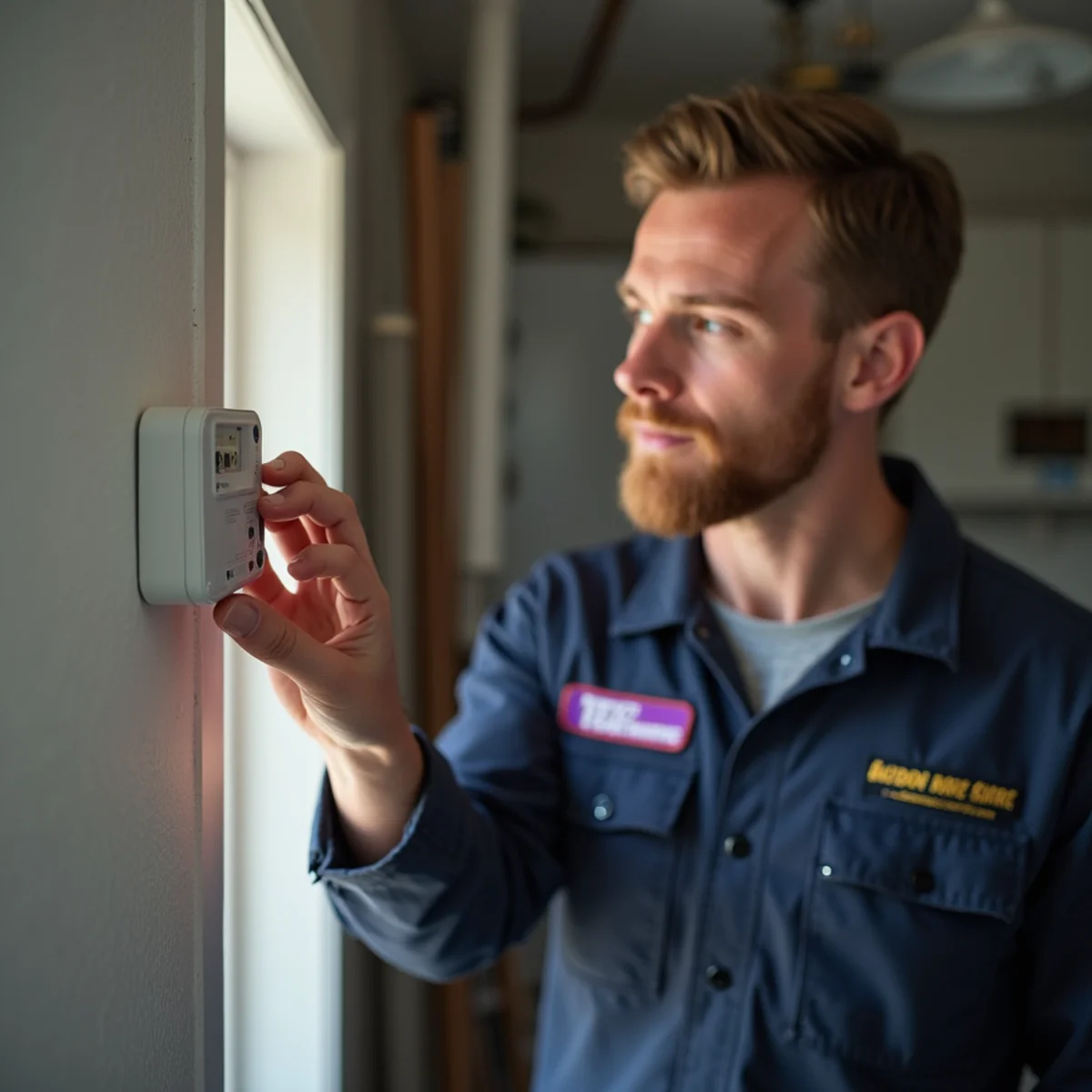
Carbon Monoxide Warning Signs Every Mount Joy Household Should Know
The carbon monoxide symptoms, equipment red flags, and emergency steps every Mount Joy household should know before heating season begins.
Mar 6, 2025 7 min read
HVAC Services
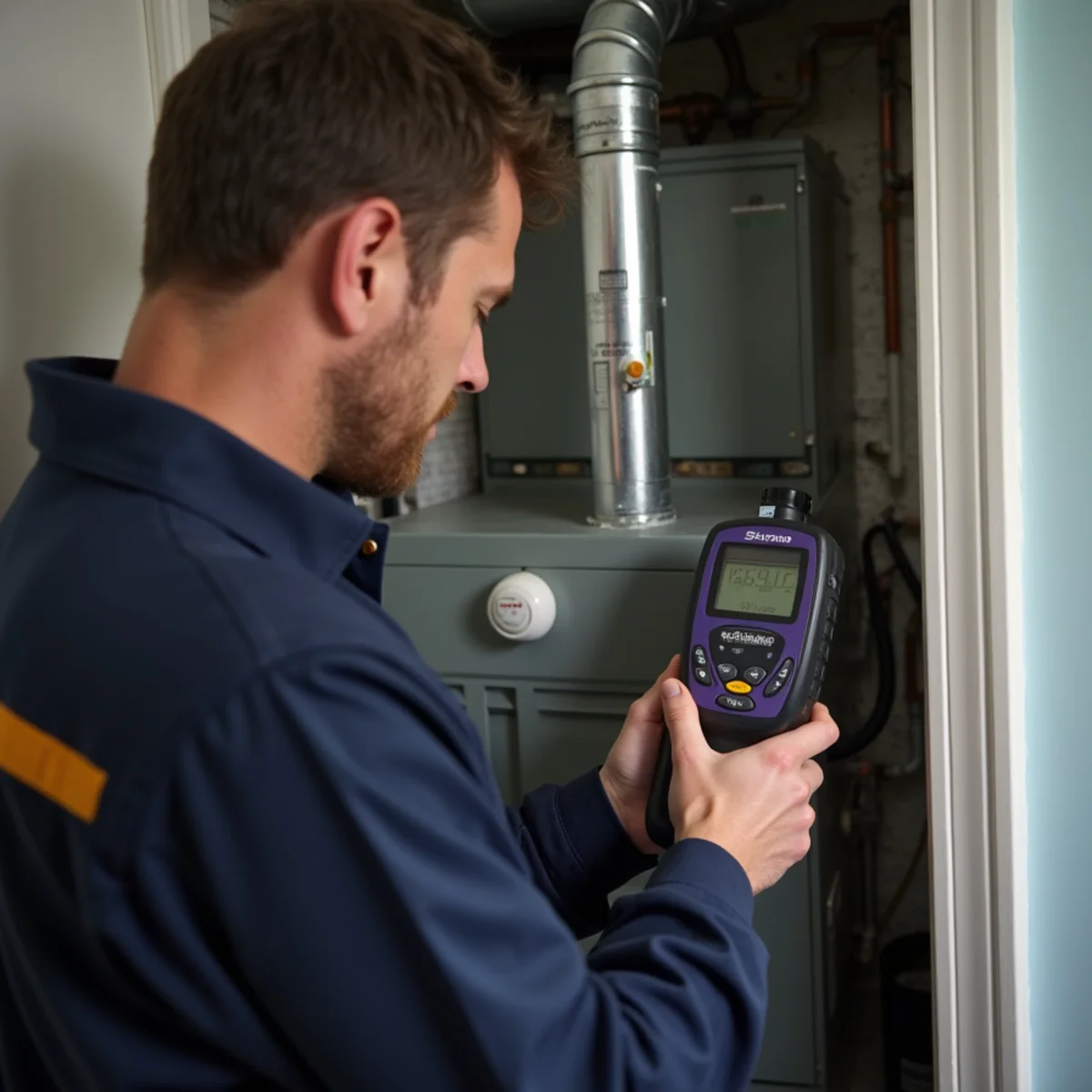
Carbon monoxide and gas leaks are invisible and dangerous. We provide combustion analysis, CO testing, and gas-line safety checks to keep your Mount Joy home safe.
Carbon monoxide is colorless, odorless, and produced whenever fuel is burned — which is why a cracked heat exchanger, a blocked flue, or a poorly venting furnace, boiler, or water heater can put a household at real risk without any obvious warning. Combined with the gas-line safety that comes with any fuel-burning system, this is one area where professional testing matters.
We perform combustion analysis, carbon monoxide testing, heat-exchanger inspection, and gas-line and venting safety checks on furnaces, boilers, and other gas appliances. If we find a hazard, we explain it plainly and shut down unsafe equipment rather than leaving it running.
These checks are especially worthwhile before each heating season, after any suspected exposure, in older homes with aging equipment, and any time a CO alarm has sounded. If your alarm is going off now, leave the home and call 911 first — then call us to find the source.
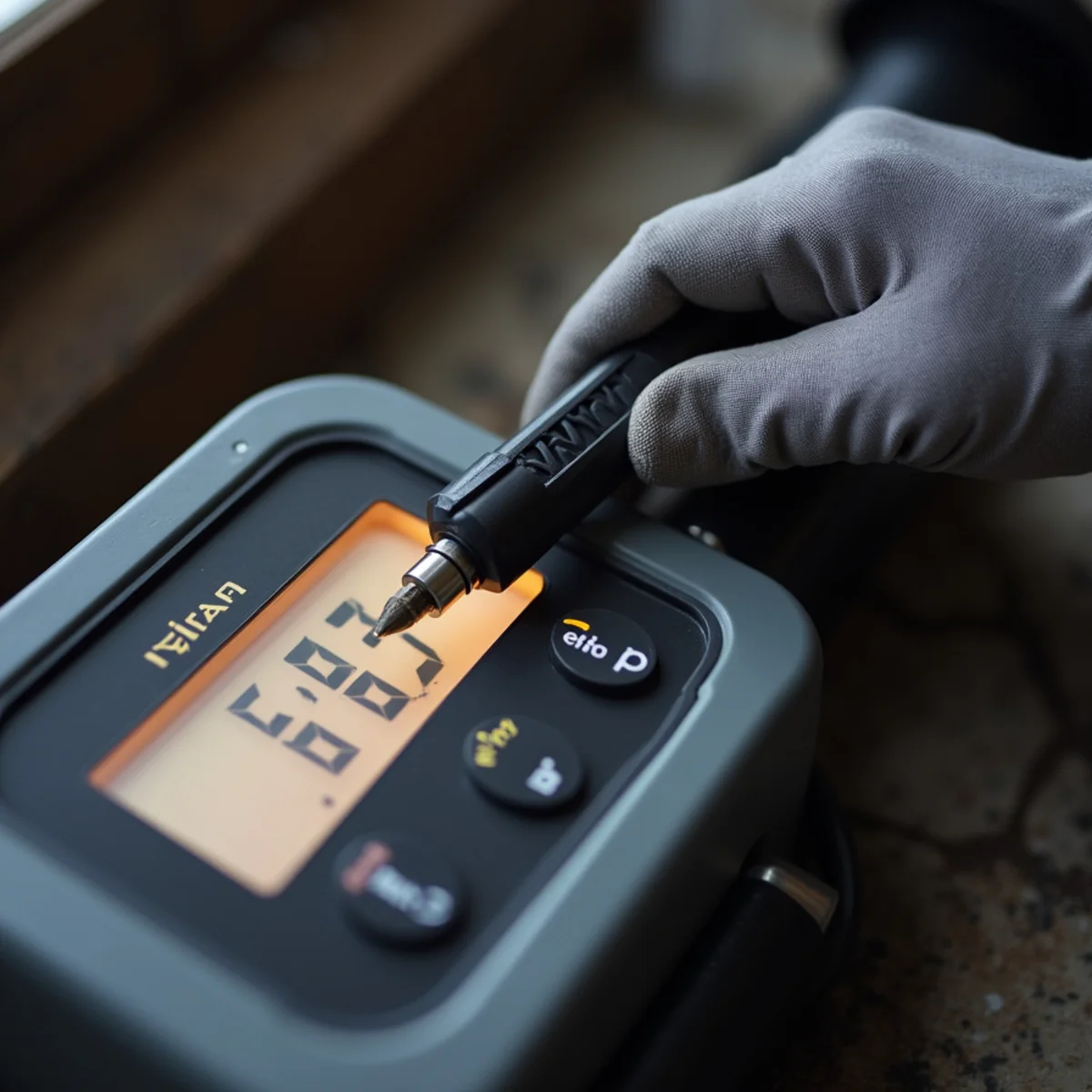
The same symptom can have several causes — here is how we read the most common ones during gas leak & carbon monoxide safety inspection. It is a guide to help you describe the problem, not a substitute for a hands-on diagnosis.
| What you notice | Likely cause | What we check & do |
|---|---|---|
| Carbon monoxide alarm is actively sounding in the home | CO building to dangerous levels from a combustion appliance or blocked vent | Get everyone outside to fresh air immediately and call 911; do not re-enter to investigate |
| Household has flu-like headaches or nausea that ease after going outside | Low-level CO exposure inside, often from a cracked exchanger or backdrafting vent | Leave and get fresh air; we run combustion analysis and CO metering to find the source |
| Furnace or water heater burner flame is yellow or flickering | Incomplete combustion from a dirty burner, poor gas mix, or inadequate air | We measure combustion, clean or adjust the burner, and confirm a clean blue flame |
| Soot streaks or staining around a furnace, boiler, or water heater | Incomplete combustion depositing carbon, a sign of a venting or burner fault | We inspect the heat exchanger and venting and test draft before returning the unit to service |
| Stale, stuffy air with heavy window condensation near fuel appliances | Poor venting or backdrafting is trapping combustion byproducts indoors | We test draft and vent integrity and check for spillage at the appliance draft hood |
Clear steps, safe work, and no surprises.
We measure combustion and test for carbon monoxide in the flue and living space with calibrated instruments.
We inspect the heat exchanger for cracks and verify that flues and vents are drawing properly.
We check gas connections and appliance shutoffs for leaks and proper operation.
We document the results and, if a hazard exists, shut down unsafe equipment and explain the repair or replacement needed.
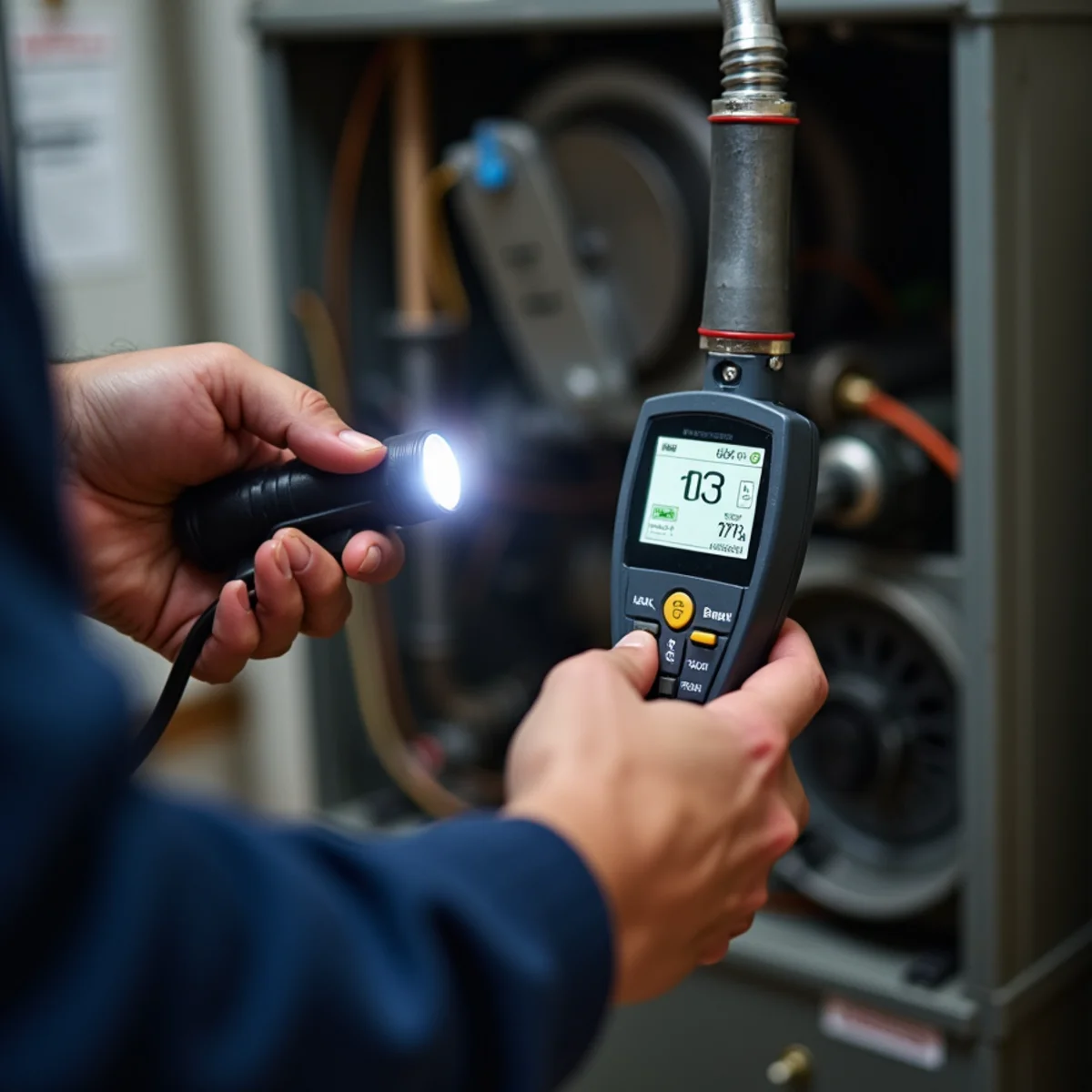
Every gas leak & carbon monoxide safety inspection visit is thorough — here’s what you can expect us to deliver, not just promise.
We measure combustion and test for carbon monoxide in the flue and living space with calibrated instruments.
We inspect the heat exchanger for cracks and verify that flues and vents are drawing properly.
We check gas connections and appliance shutoffs for leaks and correct operation.
We record the results and, if a hazard exists, shut down unsafe equipment and explain the repair or replacement needed.
An alarm is not a false alarm
Treat every CO alarm as real. Get everyone out of the home, call 911, and only return when responders say it is safe. Then call us to find and fix the source.
We never post fake prices. Your written, line-item quote depends on:
Why Choose Us
15+ years, 4.9★ from 187+ neighbors, and licensed, insured work every time.
CO is odorless — you can’t judge it by eye. Our EPA 608–certified techs use calibrated meters, not guesswork.
We recommend a safety check before each heating season, and any time you suspect a problem or an alarm has sounded.
If a fuel-burning appliance is producing CO or has a cracked heat exchanger, we shut it down rather than risk your household.
Reviews
187 verified reviews
“Our boiler quit on the coldest night of January and they had us warm again before noon. The tech explained exactly what failed and never once tried to sell us a whole new system. Honest, local, and fast.”
“They actually did a load calculation before quoting our new furnace instead of guessing off the square footage. The install crew was tidy and the house is finally even upstairs and down. Worth every penny.”
“AC died during that July heat wave with a newborn in the house. They prioritized us and had cool air back the same afternoon. Told me the price up front — no after-hours surprise on the bill.”
Reviews reflect representative customer experiences.
Where We Work
We provide CO and gas-leak safety inspections across Lancaster County — especially for the older fuel-burning equipment in the Mount Joy Historic District, Marietta, Columbia, and Maytown. If your alarm is sounding now, leave the home and call 911 first — then call us to find the source.
Helpful Reading
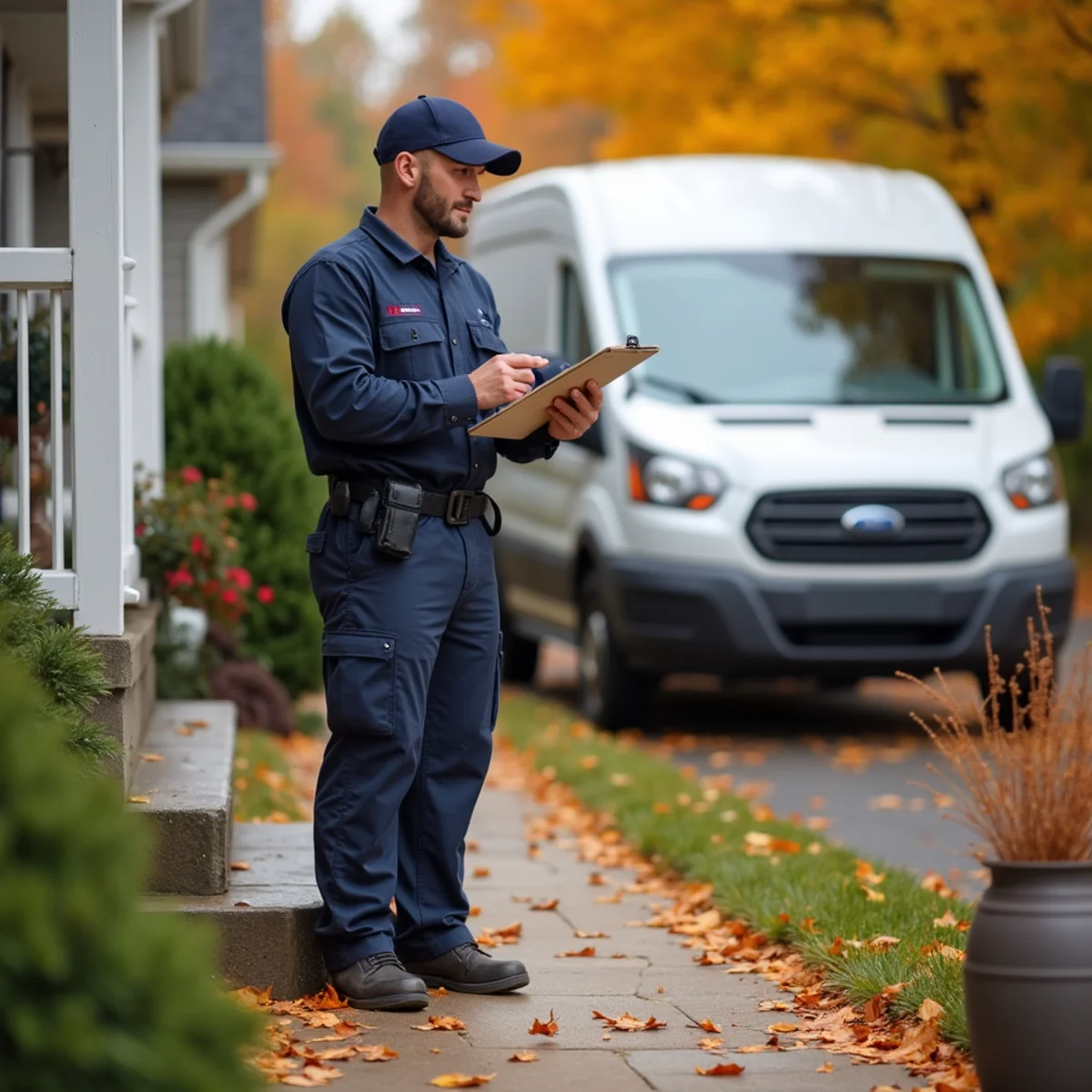
Emergency Guides
The carbon monoxide symptoms, equipment red flags, and emergency steps every Mount Joy household should know before heating season begins.
Prevention & Maintenance
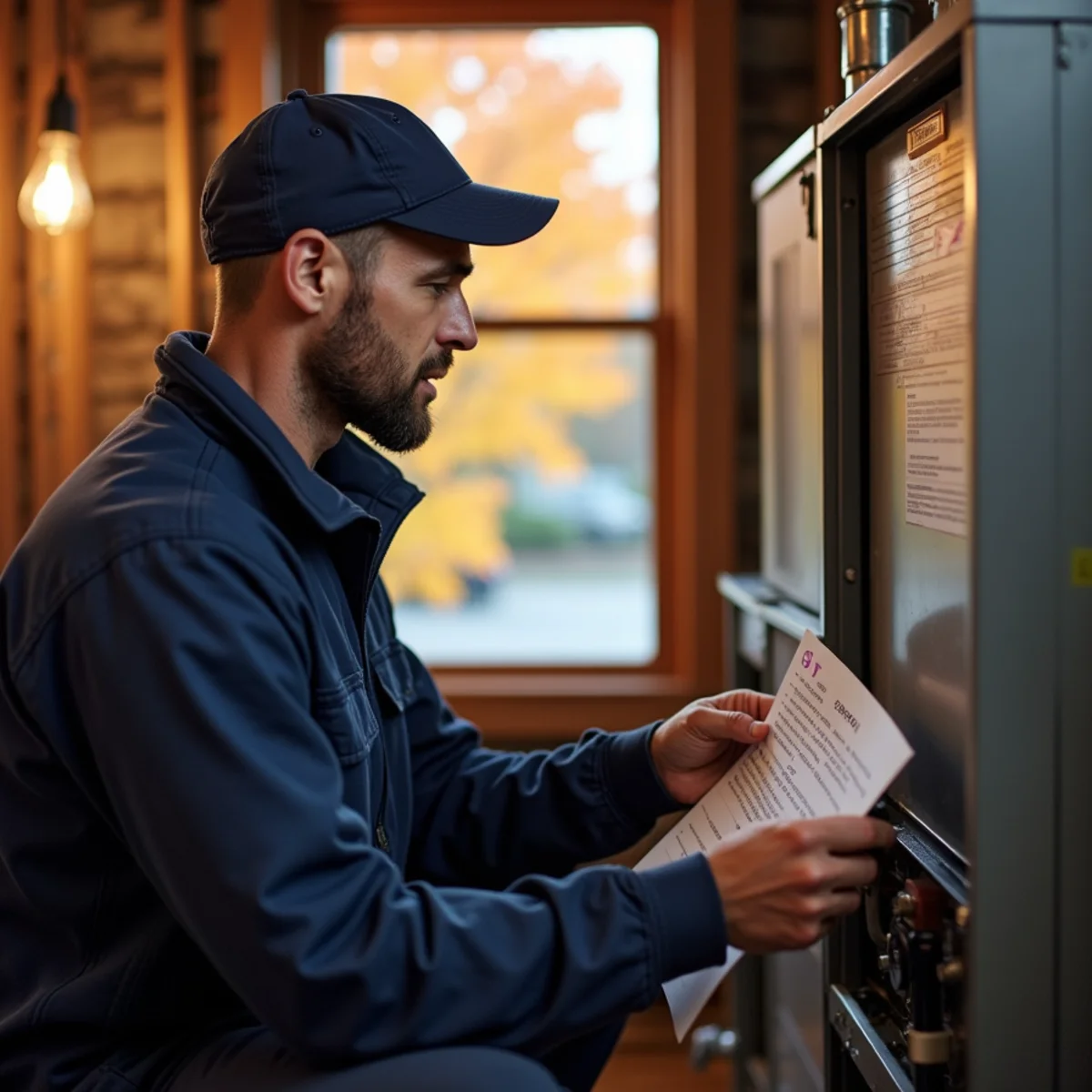
Western Lancaster County winters bite hard, and the worst time to learn your furnace has a problem is the first 20-degree night. Here is the full fall tune-up checklist, split into what you can safely do yourself and what belongs to a licensed tech.
FAQ
Answers to what Mount Joy homeowners ask us most.
Flu-like symptoms that ease when you leave the house, a yellow burner flame, soot around appliances, and excess window condensation can all be signs. CO is odorless, so working alarms and annual inspections are essential.
Get everyone out of the home immediately, call 911 from outside, and do not go back in until responders clear it. Once you are safe, call us to test the equipment and find the source.
Before each heating season is ideal, plus any time you suspect a problem or an alarm sounds. Older homes and aging fuel-burning equipment especially benefit from annual combustion testing.
Yes. A cracked heat exchanger can allow combustion byproducts, including CO, into your home’s air. We inspect for cracks during safety checks and furnace service and will not leave an unsafe unit running.
Place a CO alarm on every level of the home and near sleeping areas so it can wake you, keeping it a few feet from fuel-burning appliances rather than right on top of them. Test the alarms monthly, replace the batteries yearly, and replace the whole detector every five to seven years, since the sensor wears out even if the unit still powers on. During an annual heating tune-up we verify your combustion appliances vent safely; see HVAC maintenance to schedule.
Infants, older adults, pregnant people, and anyone with heart or lung conditions feel carbon monoxide effects sooner and more severely, so protecting them is the priority. Risk peaks in winter because furnaces run constantly, homes are sealed tight against the cold, and blocked or snow-covered vents can push exhaust back indoors. An annual combustion inspection before heating season is the surest prevention; if an alarm ever sounds, leave and call 911 first, then read our carbon monoxide warning signs guide.
Call now — we answer 24/7
Call HVAC Mount Joy PA at +1 (327) 210-5999 for licensed, local gas leak & carbon monoxide safety inspection with honest, written pricing.