If your Mount Joy basement smells musty, your windows sweat, or the upstairs feels clammy even with the AC running, humidity is the culprit. Here is how to tell whether a whole-home dehumidifier is the fix — or whether something simpler will do.
Key takeaways
- If your home stays muggy even with the AC running, a whole-home dehumidifier is often the fix.
- Aim for indoor humidity between 30% and 50%, per EPA guidance, to limit mold and dust mites.
- A whole-home unit ties into your ductwork and dries the whole house, unlike a portable in one room.
- Damp Lancaster County basements on limestone karst are prime candidates.
- We diagnose the moisture source and size indoor air quality equipment to it.
Mount Joy homes fight humidity on two fronts. Above ground, our hot, humid summers push moisture into the air. Below ground, the limestone karst that western Lancaster County sits on means damp and wet basements are the norm, not the exception. That moisture does not stay in the basement — it rises through the house, loading up your living space with humidity your air conditioner alone often cannot handle. When it gets bad enough, a portable dehumidifier emptying its tank twice a day is not solving the problem. That is when homeowners start asking about a whole-home unit.
The honest answer is that not every home needs one. Sometimes the fix is cheaper, and sometimes the humidity is a symptom of a bulk-water problem that a dehumidifier would only mask. This guide walks through the signs to watch for, how these systems actually work, the cheaper fixes worth trying first, and how to decide whether the investment makes sense for your particular home.
What excess humidity looks like
The EPA recommends keeping indoor relative humidity below 60 percent, with 30 to 50 percent being the comfortable, healthy range. Above that, you get problems you can see, smell, and feel. If several of these sound familiar, your home is running too wet.
- A persistent musty or earthy smell, especially in the basement or on the lowest floor.
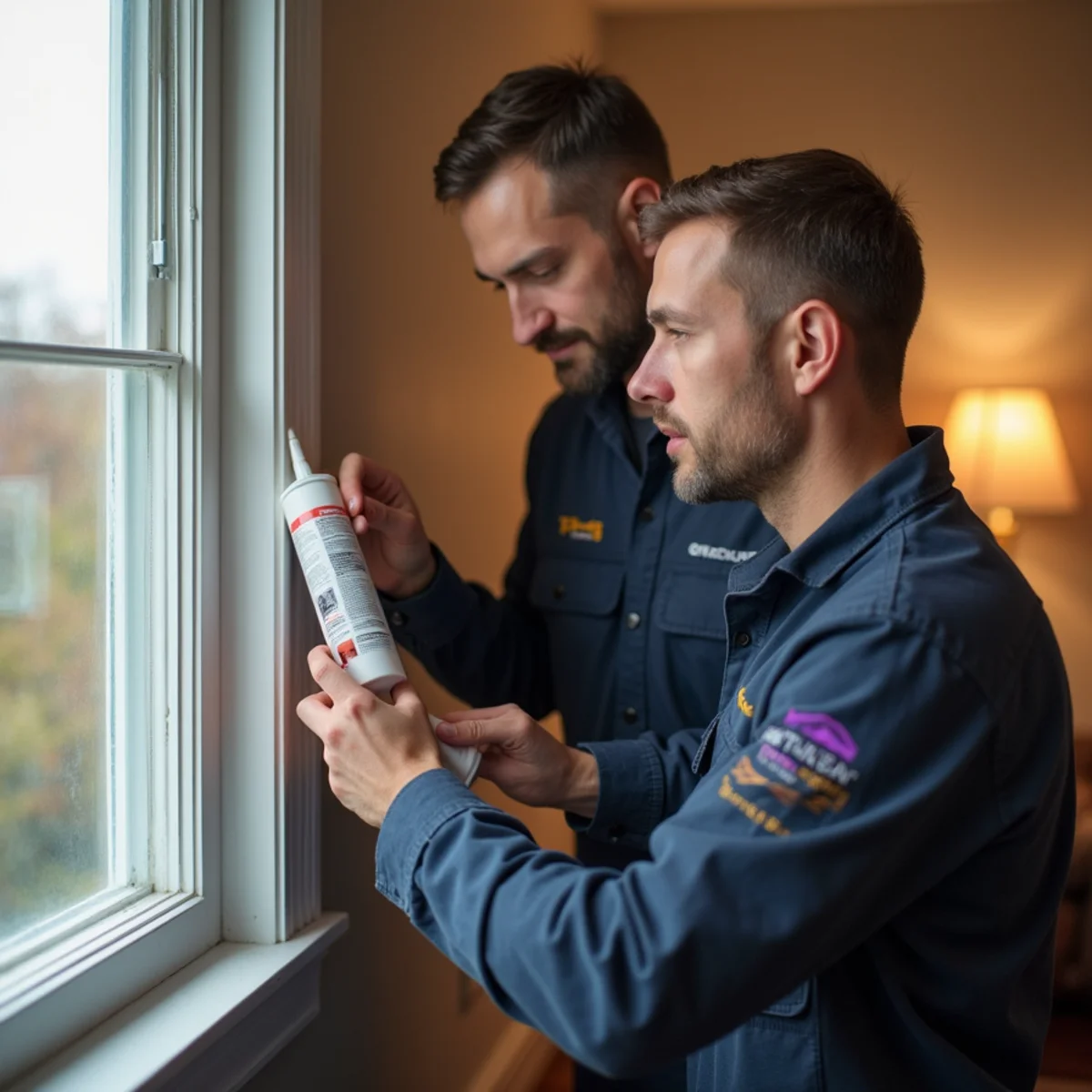
- Condensation on windows, cold-water pipes, or the toilet tank in summer.
- Air that feels clammy and sticky even when the AC is running and the thermostat is set low.
- Visible mold or mildew on basement walls, in closets, or behind furniture on exterior walls.
- Wood floors or doors that swell and stick in summer.
- Allergy or asthma symptoms that get worse indoors during humid stretches.
Measure before you buy
Pick up an inexpensive hygrometer and place it on the level that feels worst, usually the basement. Log the reading morning and evening for a week. If you are consistently above 60 percent even with the AC on, you have data — not just a hunch — to bring to the conversation.
How a whole-home dehumidifier works
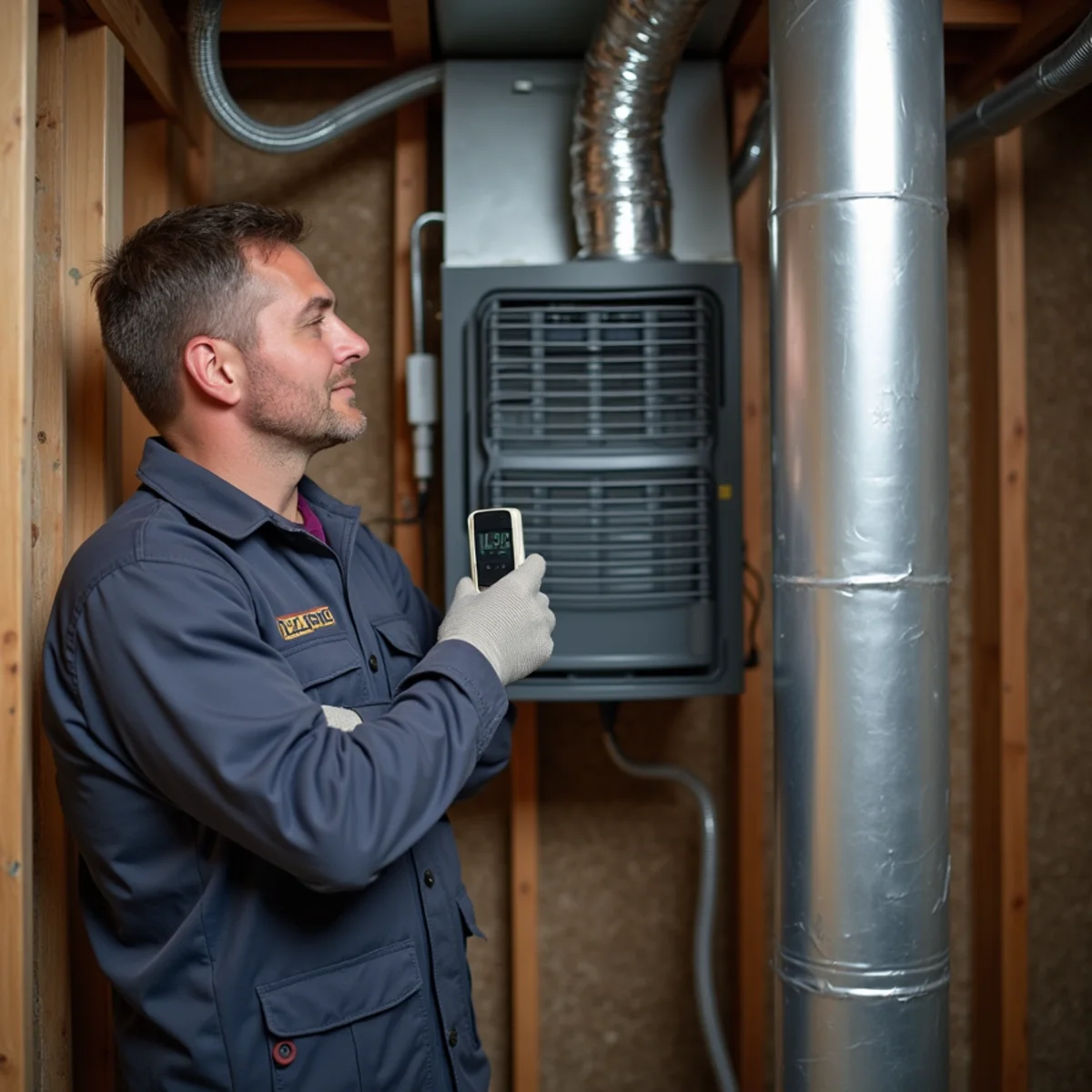
A whole-home dehumidifier is a dedicated appliance, usually installed in the basement or a mechanical space and tied into your ductwork. Unlike a portable unit, it treats the entire home, drains automatically to a condensate line so there is no tank to empty, and controls humidity independently of temperature. That last point matters more than it sounds: your AC only removes moisture while it is actively cooling. On a mild but muggy day — common in Lancaster County spring and fall, and during a cool, rainy stretch in summer — the AC barely runs, so humidity climbs unchecked and the house feels damp even though the thermostat reads a comfortable number. A dedicated dehumidifier fills exactly that gap, holding humidity in the target range no matter what the temperature is doing.
| Feature | Portable unit | Whole-home unit |
|---|---|---|
| Coverage | One room or area | Entire house via ductwork |
| Draining | Manual tank emptying | Automatic to a drain |
| Capacity | Limited | Much higher, sized to the home |
| Runs independent of AC | Yes, but small | Yes, sized for the load |
| Best for | A single damp room | A whole-house humidity problem |
Before you buy: rule out the cheaper fixes
A dehumidifier treats symptoms. If bulk water is getting into your home, you may be able to cut humidity dramatically without one. Work through these first.
- Check your gutters and grading. Water pooling against the foundation is the number-one source of basement moisture. Extend downspouts and slope soil away from the house.
- Seal foundation cracks and any obvious water entry points in the basement.
- Confirm your AC is tuned and dehumidifying properly — a dirty coil or clogged condensate drain sabotages moisture removal.
- Make sure the bathroom and kitchen exhaust fans actually vent outside, not into the attic, and that you use them.
- Cover any exposed dirt crawl space with a proper vapor barrier.
Mold is a health issue, not just a comfort one
Sustained high humidity feeds mold, which affects indoor air quality and can trigger respiratory problems. If you already see mold growth, address the moisture source and consider having the affected area professionally remediated — a dehumidifier prevents recurrence but does not clean up what is already there.
When a whole-home unit is the right call
If you have done the cheaper fixes and your home still reads above 60 percent, or if your basement is chronically damp because of the water table and karst geology rather than a fixable leak, a whole-home dehumidifier is usually the right investment. It is also the better choice for larger homes, homes with finished basements, and households where someone has asthma or allergies. Integrating it into your indoor air quality setup means the humidity control works alongside filtration and ventilation rather than fighting them.
Sizing matters. A unit that is too small never catches up, and one that is oversized short-cycles. A proper load assessment considers your square footage, basement conditions, and how tight the home is. Homes along Marietta Avenue and throughout the older parts of the borough often have the exact combination — stone basements, high water table, humid summers — that makes dedicated dehumidification worthwhile.
Not sure whether your home needs one? Call HVAC Mount Joy PA at +1 (327) 210-5999 and we will assess your humidity, rule out the simpler fixes, and recommend the right-sized solution if you need it.
Comfort at a higher thermostat setting
Drier air feels cooler. Bring indoor humidity down into the ideal range and most people are comfortable a couple of degrees warmer, which trims summer cooling costs while the house actually feels better.
Fix drainage first
A dehumidifier fighting a blocked condensate drain or a leaking basement is a losing battle. We check the moisture source first — sometimes clearing a drain or sealing a gap does most of the work before any equipment goes in.
Related HVAC help in Mount Joy
Services: Indoor Air Quality Solutions · HVAC Maintenance & Tune-Ups · Ductwork Repair & Installation
Service areas: HVAC in Mount Joy Township · HVAC in Lancaster County · HVAC in Columbia
Frequently asked questions
Not always. First rule out fixable moisture sources like poor grading, gutter problems, foundation leaks, and an under-performing AC. If your home still reads above 60 percent humidity after those fixes, or your basement stays damp because of the water table and karst geology, a whole-home unit is usually worth it.
Your AC only removes moisture while it is actively cooling. On mild but muggy days the AC barely runs, so humidity climbs. A dirty coil or clogged condensate drain also cripples moisture removal. A dedicated dehumidifier controls humidity independently of temperature, which is why it helps when the AC cannot keep up.
It prevents mold from coming back by keeping humidity in a safe range, but it does not clean up existing growth. You need to address the moisture source and have significant mold professionally remediated first, then use the dehumidifier to keep it from returning.
HVAC Mount Joy PA
Licensed, insured HVAC contractor serving Mount Joy and Lancaster County with same-day and 24/7 emergency service. Have a question about your system? We’re glad to help.