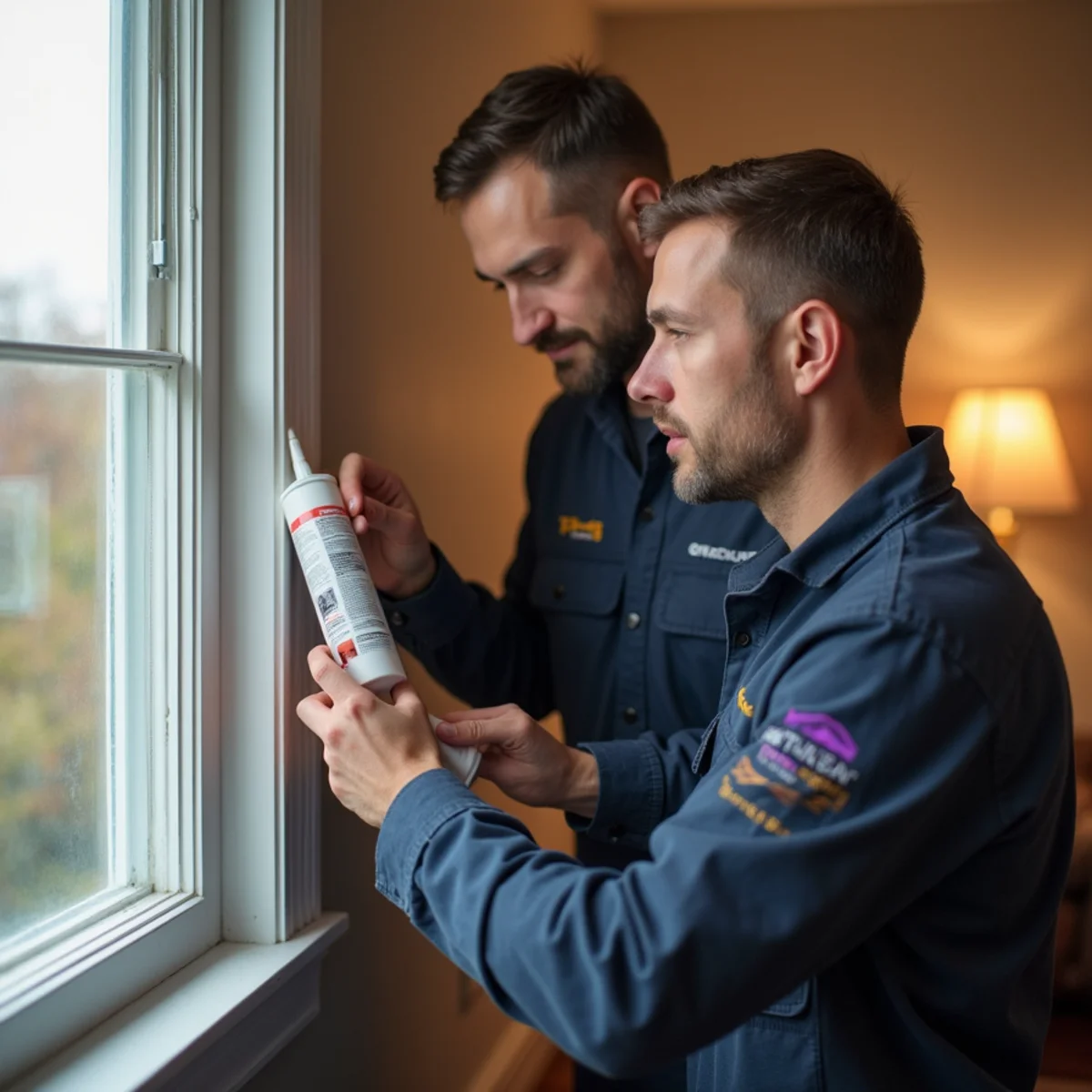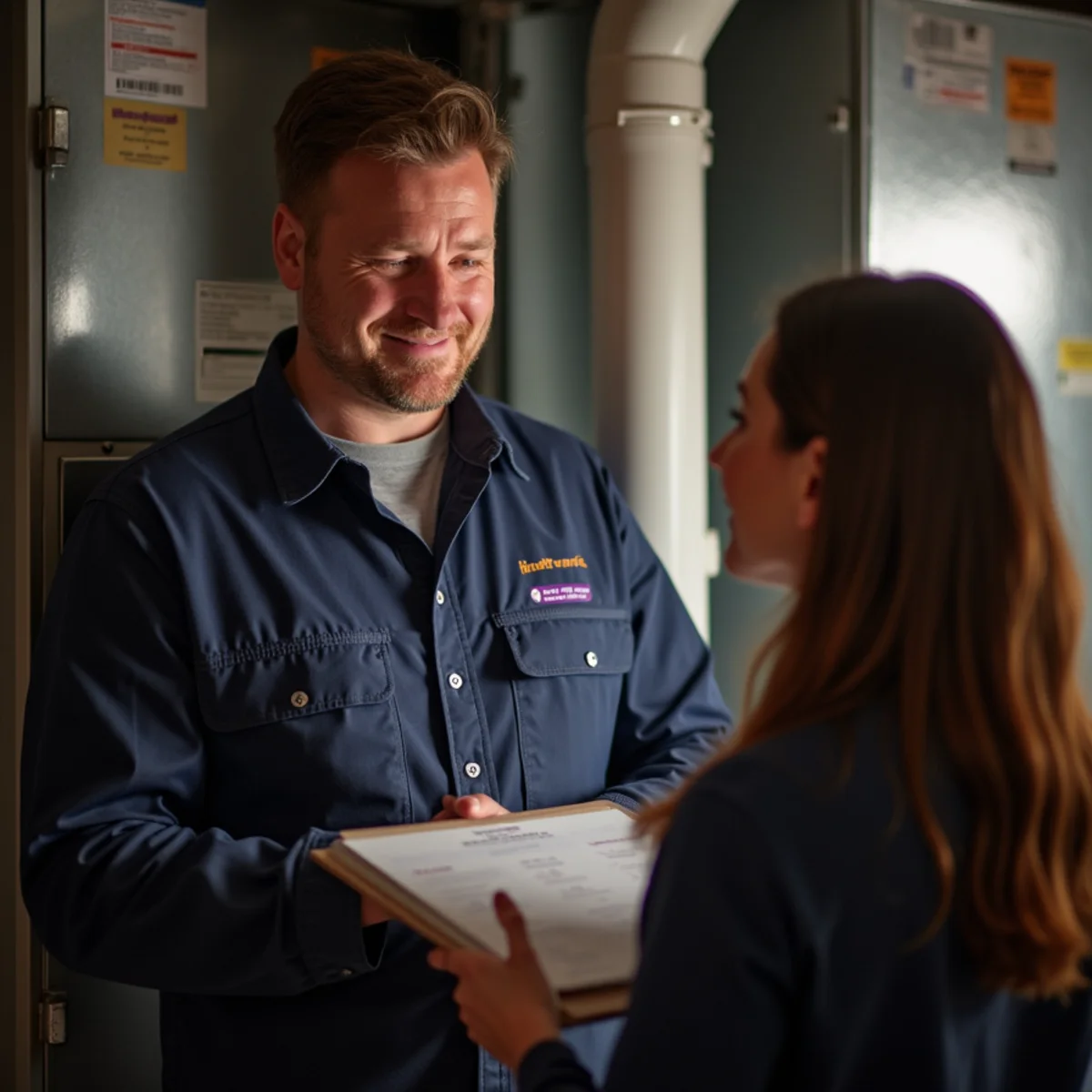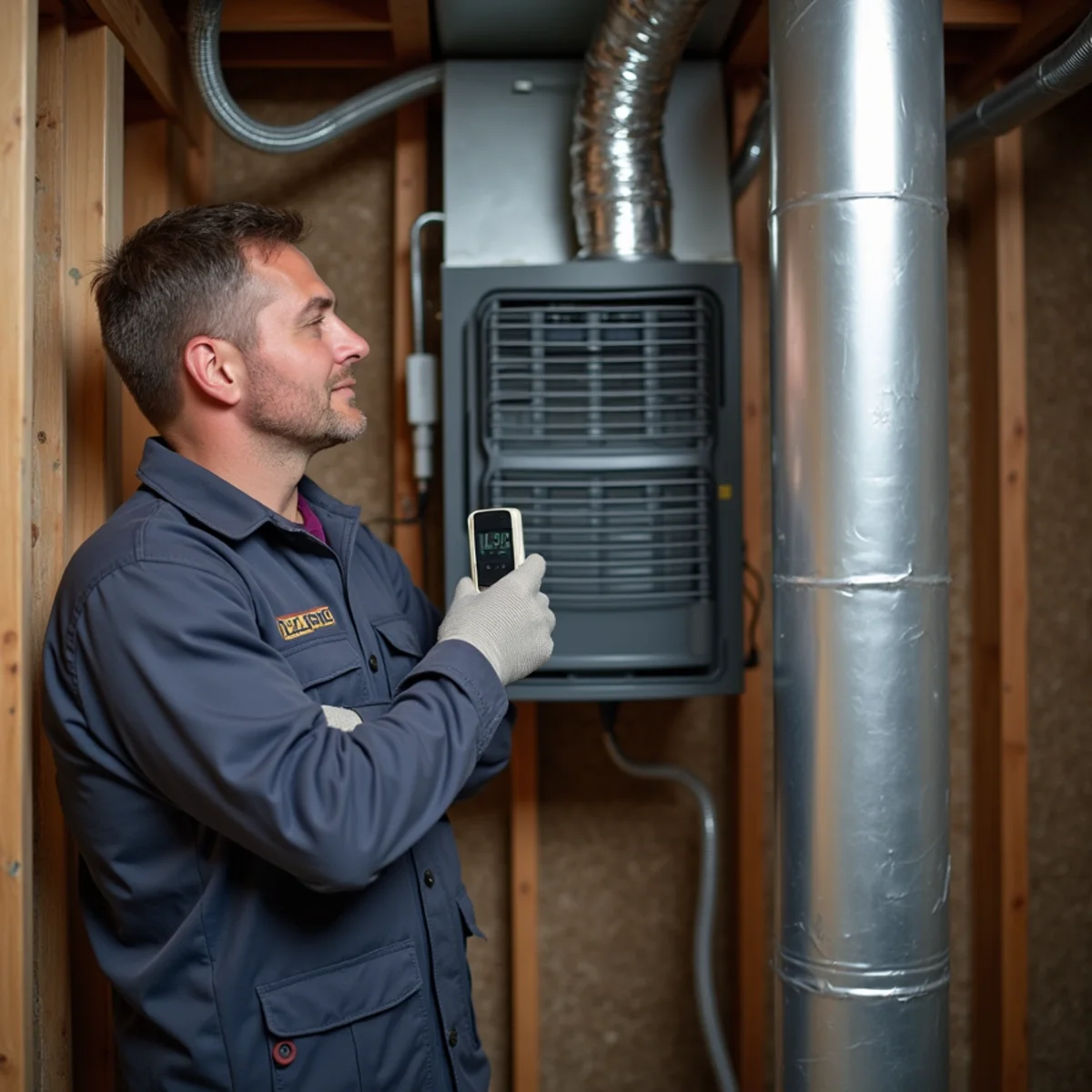
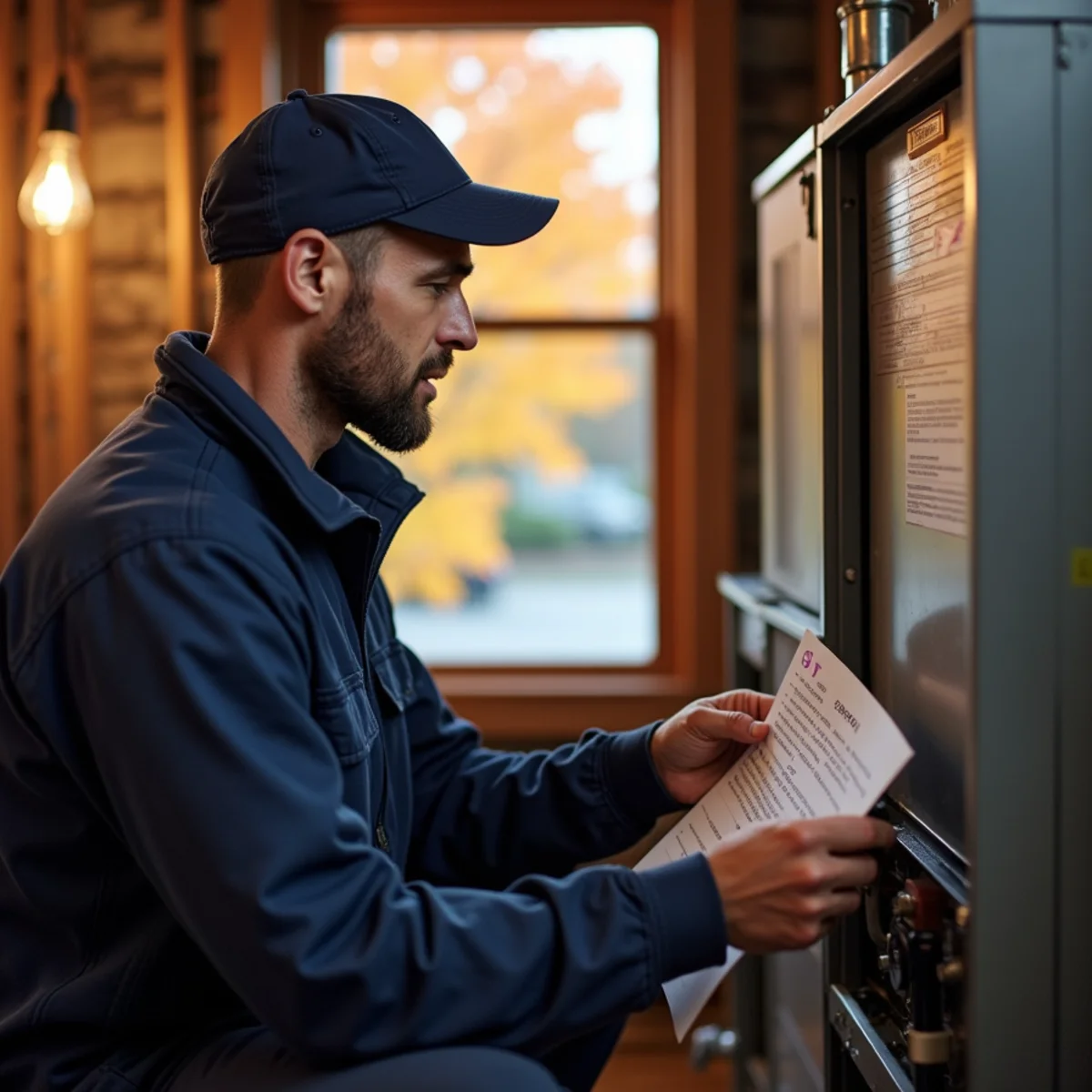
Western Lancaster County winters bite hard, and the worst time to learn your furnace has a problem is the first 20-degree night. Here is the full fall tune-up checklist, split into what you can safely do yourself and what belongs to a licensed tech.
Key takeaways
- Schedule the furnace tune-up in early fall, before the first hard freeze fills the emergency calendar.
- A real tune-up measures performance and tests safety controls — not just a quick visual once-over.
- Combustion and heat-exchanger checks protect your household from carbon monoxide all winter.
- A fresh filter and cleared condensate keep airflow up and prevent nuisance shutdowns.
- Book seasonal service through our HVAC maintenance and tune-ups.
By late September, mornings in Mount Joy start dipping toward the 40s and the first hard freeze is rarely more than a few weeks out. That is the window to tune your furnace, not the night it refuses to light. Heating systems fail most often on their first hard run of the season, when a summer of dust, a marginal igniter, or a dirty flame sensor finally catches up with them. A proper fall tune-up catches those problems while the shop is calm and you are not paying emergency rates.
This checklist covers a gas or propane forced-air furnace, the most common setup in Mount Joy's 1950s–80s ranches and newer builds. If your home runs on a boiler or oil, some steps differ — skip to the notes near the end. The goal here is simple: get through a western Lancaster County winter without a 2 a.m. no-heat call.
Why fall, not winter
Two reasons. First, a neglected furnace burns dirtier and less efficiently, which shows up on your December gas bill. Second, and more important, a cracked heat exchanger or a failing flame sensor can create a carbon monoxide risk that only surfaces under heavy load. Catching it in October, before you are running the system 18 hours a day, is the difference between a repair and an emergency. Schedule your annual furnace maintenance before the first cold snap and you sidestep both problems.
Test your CO detectors first
Before you touch the furnace, press the test button on every carbon monoxide detector in the house and replace any that are more than 7 years old or chirping for batteries. A furnace tune-up and working CO alarms are two halves of the same safety system — never rely on one without the other.
Safe DIY steps you can do this weekend
These are the tasks any homeowner can handle with the power off and a little care. None of them involve opening the sealed combustion side of the furnace.
- Shut off power at the furnace switch or breaker before doing anything hands-on. The switch usually looks like a light switch on or near the unit.
- Replace the air filter. A clogged filter is the single most common cause of furnace problems — it starves airflow, overheats the heat exchanger, and trips the limit switch. Check the arrow points toward the blower.
- Clear the area around the furnace. Keep at least three feet of clearance and remove any stored boxes, paint, or laundry that could block airflow or catch dust.
- Vacuum the return grilles and supply registers throughout the house so the system is not pulling dust straight back through freshly cleaned components.
- Check the exhaust flue and intake termination outside. Make sure bird nests, leaves, and spider webs are not blocking the PVC or metal vent where it exits the wall or roof.
- Look at the condensate line on a high-efficiency furnace. If you see a clear tube running to a drain or pump, confirm it is not kinked or leaking.
- Restore power and run a test cycle. Set the thermostat above room temperature and confirm the burners light within a minute and warm air reaches the registers.
Set your thermostat before the cold hits
Program a smart or programmable thermostat for a comfortable morning warm-up and a modest overnight setback. In a drafty older Mount Joy home, avoid setbacks deeper than about 5 degrees — recovering from a big overnight drop can cost more than it saves and strains the system on the coldest mornings.
Pro-only tasks — leave these to a licensed tech
The following steps involve combustion, gas pressure, and electrical safety. They require training, an EPA-certified or licensed technician, and the right instruments. Do not attempt them yourself.
- Heat exchanger inspection. A tech uses a light and sometimes a camera to check for cracks that can leak carbon monoxide into your air. This is the most important safety check of the visit.
- Flame sensor cleaning. A dirty flame sensor is the number-one reason a furnace lights, runs for a few seconds, then shuts off. A tech cleans and tests it.
- Burner and combustion analysis. Measuring combustion gases confirms the furnace is burning cleanly and safely, not producing excess CO.
- Gas pressure and igniter check. Manifold pressure that is off spec wastes fuel and shortens component life.
- Blower motor, capacitor, and amperage readings. A tech spots a weak capacitor or a motor drawing too much current before it strands you.
- Safety and limit switch testing. These shut the furnace down when something goes wrong — they need to be verified, not assumed.
Filter guide for the season
| Filter type | MERV range | Replace interval |
|---|---|---|
| 1" fiberglass or pleated | MERV 8–11 | Every 1–3 months |
| 1" high-efficiency pleated | MERV 11–13 | Every 1–2 months |
| 4–5" media cabinet filter | MERV 11–13 | Every 6–12 months |
| Home with pets or allergies | MERV 11–13 | Check monthly, replace sooner |
Higher MERV means finer filtration, but a filter that is too restrictive for your blower raises static pressure and can actually hurt performance. If you are unsure what your system can handle, a tech will confirm the right MERV during the tune-up.
Boilers and oil systems
Many of Mount Joy's 1800s homes and outlying farmsteads run hydronic boilers or oil-fired heat instead of forced air. For those, the fall checklist shifts: bleed trapped air from radiators, verify boiler pressure sits in the normal range (typically around 12–15 psi cold), and have a tech service the oil burner nozzle and filter. If you are weighing an upgrade, our guide on planning ahead pairs well with a conversation about converting from oil to gas. Either way, the combustion side is pro-only.
When to call instead of DIY
Book a professional visit right away if you notice a yellow or flickering burner flame, a persistent smell of gas, soot around the unit, short cycling, or a CO detector that has ever alarmed. Homeowners across Lancaster County — from Florin to Rheems to Elizabethtown — count on a fall tune-up to make winter uneventful, and that is exactly the point.
Ready to get your furnace winter-ready? Call HVAC Mount Joy PA at +1 (327) 210-5999 to book a fall tune-up or ask about a maintenance plan that keeps you at the front of the line all season.
Beat the rush
Furnace tune-up slots fill fast once the first cold week arrives. Booking in September or early October means priority scheduling, a calmer inspection, and no scramble when the temperature finally drops.
Beat the first-freeze rush
The first genuinely cold night of the season is our busiest — every skipped tune-up becomes a no-heat call at once. Getting on the schedule in September or October means better availability and problems caught before they leave you cold.
Related HVAC help in Mount Joy
Services: HVAC Maintenance & Tune-Ups · Furnace Repair · Gas Leak & Carbon Monoxide Safety Inspection
Service areas: HVAC in Lancaster County · HVAC in Mount Joy Township · HVAC in Elizabethtown
Frequently asked questions
Aim for September or early October, before the first hard freeze. Tuning the furnace while it is still mild means the technician can work without rushing, you avoid the peak-season backlog, and any parts that need replacing arrive before you depend on the heat daily.
You can safely change the filter, clear clutter around the unit, check the outdoor vent terminations, test CO detectors, and run a test cycle. Anything involving the burners, heat exchanger, gas pressure, or electrical components should be left to a licensed technician with the right instruments.
The most common cause is a dirty flame sensor. It fails to confirm the flame, so the control board shuts the gas off as a safety measure. A technician cleans and tests the sensor during a tune-up, which usually resolves the short cycling.
Yes. An annual tune-up catches carbon monoxide risks from a cracked heat exchanger, keeps the system running efficiently through Lancaster County winters, and preserves most manufacturer warranties, which require documented yearly maintenance.
HVAC Mount Joy PA
Licensed, insured HVAC contractor serving Mount Joy and Lancaster County with same-day and 24/7 emergency service. Have a question about your system? We’re glad to help.