Mount Joy has seen the thermometer drop near 16 below zero. When a hard freeze arrives, the homes that sail through are the ones that got winterized in advance. Here is the full checklist, from pipes to heating to the small things that cause big damage.
Key takeaways
- Winterizing is about heat reliability and frozen-pipe prevention before the first hard freeze.
- Seal drafts, insulate vulnerable pipe runs, and confirm the heating system is serviced and safe.
- Test carbon monoxide alarms and replace any that are past their rated life.
- Know your water shutoff and keep a plan for an ice-storm power outage.
- Combine winterizing with a furnace tune-up and a plan for heat outages.
Western Lancaster County does not get a gentle winter. The record low in this area sits near 16 degrees below zero, and even an average January delivers stretches where the temperature never climbs above freezing for days. Add the freeze-thaw swings that are typical here — 40 degrees one afternoon, single digits the next morning — and you have exactly the conditions that burst pipes and strand furnaces. Winterizing is not about one big project. It is a handful of small tasks that, done before the first hard freeze, prevent the expensive emergencies that hit unprepared homes.
This guide is built for Mount Joy's housing mix, from 1800s stone homes with cold basements to 1950s ranches and new builds. Work through it on a mild weekend in October or early November, and you will not be scrambling when the first arctic front rolls in off the Susquehanna.
Protect your plumbing first
Frozen pipes are the most common and most damaging cold-weather failure. A pipe bursts because water expands as it freezes, and the damage is often not obvious until it thaws and floods. The pipes most at risk are the ones in unheated or poorly insulated spaces — exactly what you find in older Mount Joy basements sitting on limestone.
- Insulate exposed pipes in the basement, crawl space, and garage with foam pipe sleeves, paying special attention to anything running along an exterior wall.
- Disconnect and drain garden hoses, then shut off and drain the outdoor spigots (hose bibs) from the interior shutoff valve if you have frost-free sillcocks, confirm they drain properly.
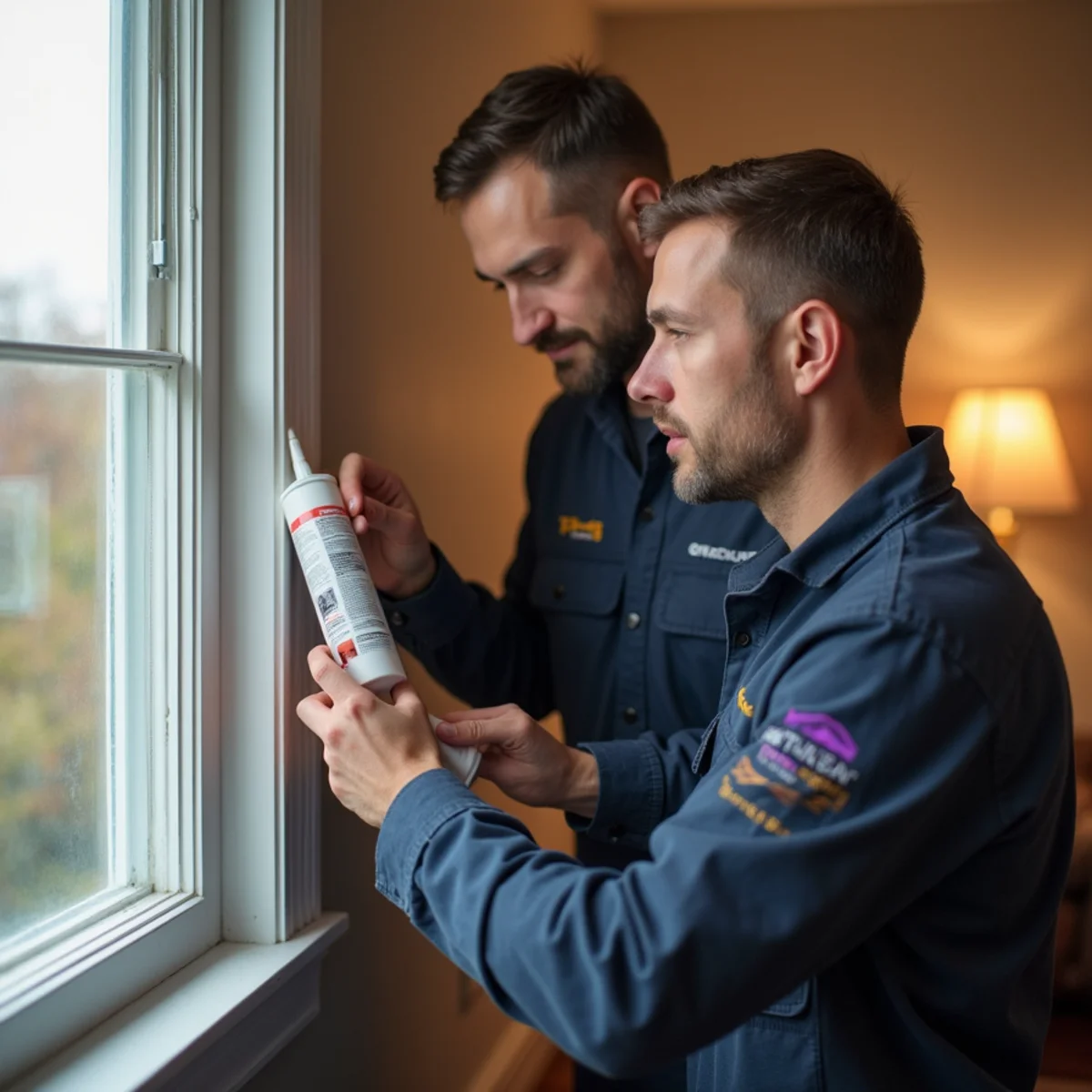
- Seal air leaks near pipes — gaps around the rim joist, foundation cracks, and vents let frigid air reach plumbing. Caulk or use expanding foam.
- Know where your main water shutoff is and make sure it turns freely, so you can stop a flood fast if a pipe does let go.
- On the coldest nights, let a faucet on an exterior wall drip and open cabinet doors under sinks so warm air reaches the pipes.
If the heat goes out in a deep freeze
A no-heat emergency during a hard freeze is a race against frozen pipes. If your furnace or boiler quits when it is well below freezing, keep faucets dripping, and call for help immediately. Our frozen pipe and heat outage service is available around the clock precisely because these failures do not wait for business hours.
Get your heating system ready
Your heating system is about to run harder than it has all year. Whether you have a forced-air furnace, a boiler, or a heat pump, it needs to be ready before the load hits.
- Replace the furnace filter so the blower is not fighting a clog during the season it works hardest.
- Bleed your radiators if you have a hydronic boiler — trapped air makes rooms heat unevenly and forces the boiler to work longer.
- Check boiler pressure and confirm it sits in the normal cold range, typically around 12 to 15 psi.
- Test every thermostat and set a sensible winter schedule with a modest overnight setback rather than a deep one.
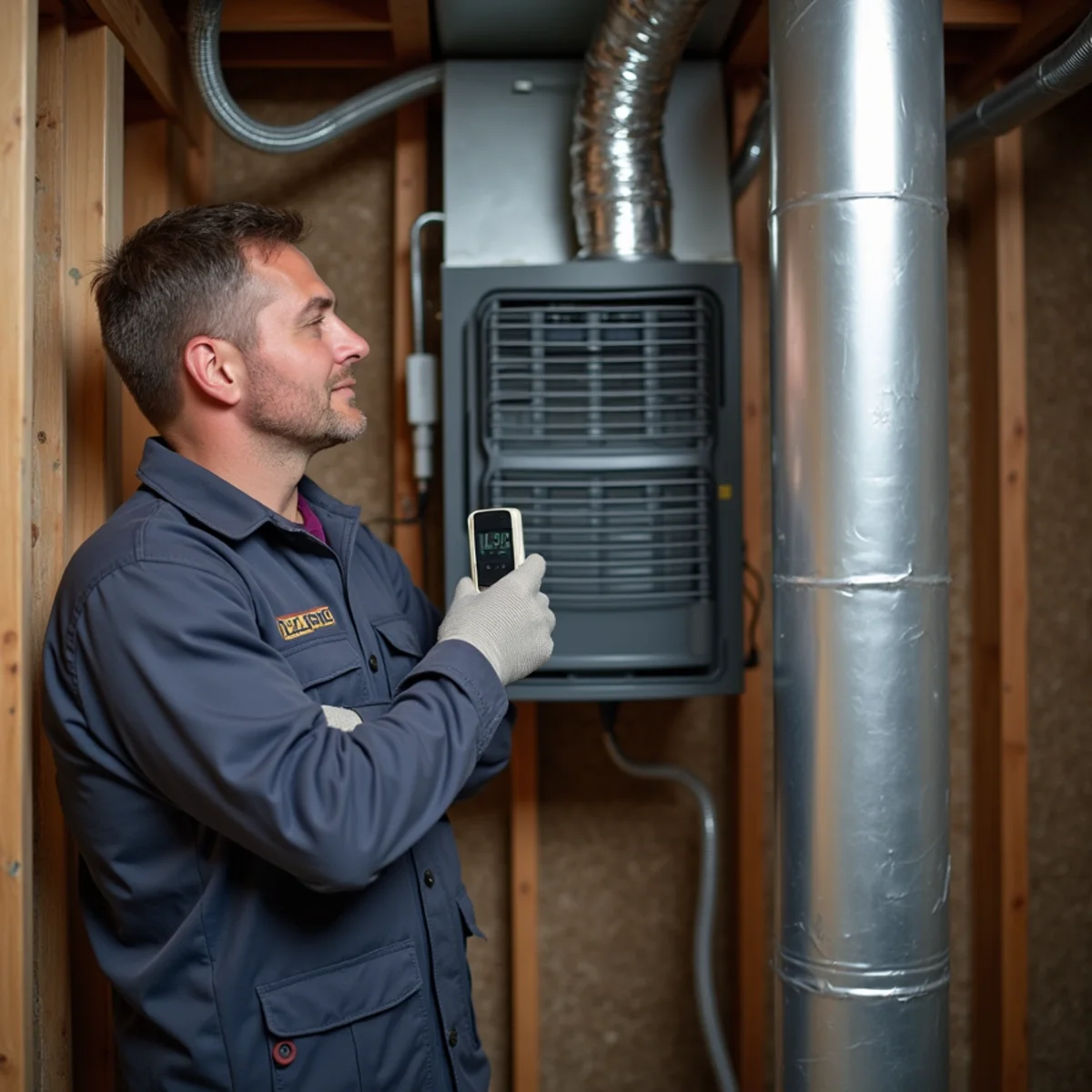
- Confirm your CO detectors work — combustion heating and closed-up winter homes are a dangerous combination without them.
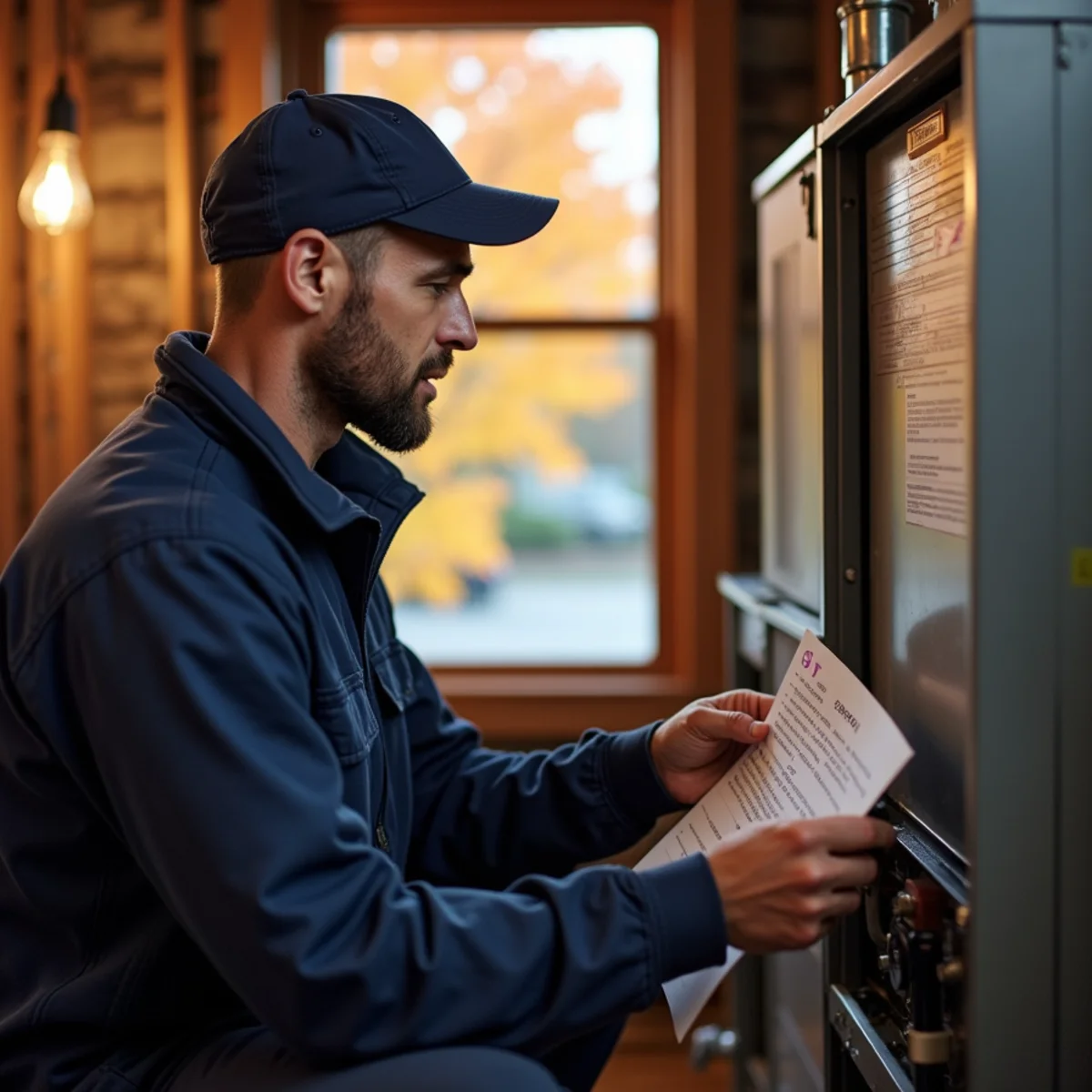
- Book a professional heating tune-up to inspect the heat exchanger, burners, and safety controls before you rely on the system daily.
Heat pumps need a clear outdoor unit
If you run a heat pump, keep the outdoor unit clear of leaves, snow, and ice all winter. It needs airflow to pull heat from outside air, and a buried or iced-over unit runs its defrost cycle constantly, wasting energy and wearing out fast.
Seal the envelope
Every draft you let in is heat you pay to replace. Older Mount Joy homes are especially leaky, and sealing the building envelope is one of the cheapest comfort upgrades you can make.
| Leak point | Quick fix | Effort |
|---|---|---|
| Drafty windows | Weatherstrip or add interior film | Low |
| Exterior doors | New door sweep and weatherstripping | Low |
| Attic hatch | Insulate and weatherstrip the hatch | Low |
| Rim joist in basement | Rigid foam or spray foam | Medium |
| Outlets on exterior walls | Foam gasket behind cover plate | Low |
The outdoor and safety checklist
A few outdoor tasks round out the job and prevent the surprises that show up mid-winter.
- Clean the gutters so meltwater drains instead of forming ice dams that push water under your roof.
- Reverse ceiling fans to clockwise on low, which pushes warm air back down from the ceiling.
- Stock a cold-weather kit — flashlights, batteries, blankets, and a way to charge a phone — in case a winter storm knocks out power.
- Have a wood stove or fireplace chimney inspected before you use it, and never run a generator or grill indoors for heat.
- Locate and label your electrical panel and main shutoffs so anyone in the house can act in an emergency.
Do not wait for the forecast
The mistake that costs the most is waiting until a hard freeze is in the forecast to think about any of this. By then, insulation is sold out, HVAC shops are booked, and you are reacting instead of preventing. Homeowners throughout Lancaster County — from the historic districts to the farmsteads around Marietta and Maytown — get through winter uneventfully because they winterized in the fall. Pairing this checklist with a professional HVAC maintenance visit covers both the DIY and the pro side in one season.
Want your heating system and home ready before the first hard freeze? Call HVAC Mount Joy PA at +1 (327) 210-5999 to book a heating tune-up or a winterization visit.
Freeze-thaw is the real hazard
It is not just the deep cold — it is the swing. A pipe that partially thaws and refreezes, or a system that cycles hard between a warm afternoon and a frigid night, takes the most stress. Winterizing evens out those swings and keeps small problems from becoming floods.
Find the drafts on a windy day
On a cold, breezy day, run your hand around outlets, rim joists, and exterior-wall pipe penetrations — you will feel the leaks. Sealing those cheap gaps eases the load on your furnace and keeps at-risk pipes above freezing.
Related HVAC help in Mount Joy
Services: HVAC Maintenance & Tune-Ups · Frozen Pipe & Heat Outage Response · Gas Leak & Carbon Monoxide Safety Inspection
Service areas: HVAC in Lancaster County · HVAC in Marietta · HVAC in Maytown
Frequently asked questions
Finish the work in October or early November, before the first hard freeze. Insulating pipes, sealing drafts, and booking a heating tune-up all need to be done while the weather is still mild and supplies and appointments are available.
Insulating exposed pipes in unheated spaces and sealing the air leaks that let cold reach them. On the coldest nights, also let a faucet on an exterior wall drip and open under-sink cabinets so warm air circulates around the plumbing.
Keep faucets on exterior walls dripping to reduce the chance of frozen pipes, keep the house as sealed and warm as possible, and call for emergency service right away. In a hard freeze, a no-heat situation is time-sensitive because pipes can freeze within hours.
Yes. Keep the outdoor unit clear of leaves, snow, and ice so it can pull heat from the air and run its defrost cycle properly. A buried or iced-over unit works far harder and wears out faster, so check it after every storm.
HVAC Mount Joy PA
Licensed, insured HVAC contractor serving Mount Joy and Lancaster County with same-day and 24/7 emergency service. Have a question about your system? We’re glad to help.